Top tips for your next home renovation (and mistakes to avoid)
Building your dream home is so exciting. I can’t even imagine what the process must be like, but it’s certainly one we’ve considered and would like to do ourselves. I imagine it’s a very fulfilling process but also full of challenges.
Having watched Grand Designs (a lot), it seems many people make mistakes that could easily be prevented, but that also cause a lot of inconvenience and added stress. But avoiding such mistakes is possible when you hire the services of an experienced architect.
An architect can be a godsend, advising you on what to do, and what not to do. They will be able to survey the land, make layout suggestions, stick to your budget by selecting the right structures and materials, and so much more.
Below are just some of my top renovation tips to consider, as well as the common mistakes you might encounter when building your own home, together with their possible solutions.
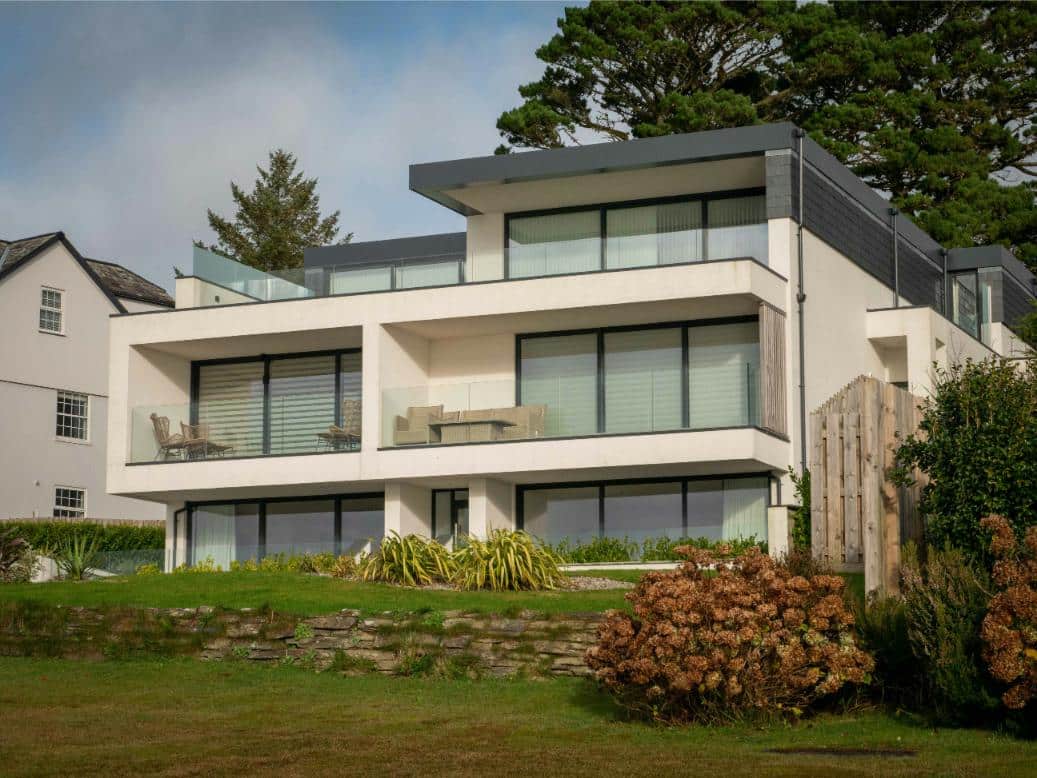
My top renovation tips (for rookies)
Create an accurate plan (and stick to it)
You might think you know how big your room is or that you can judge whether a piece of furniture will fit in your lounge or not just by looking at it. In reality, you need a clear and detailed plan of the room.
The plan serves a number of purposes. Firstly, you’ll need it because it will tell you the measurements of each wall, each window, and where the doors are. This is SO useful when buying furniture, or wondering if a sideboard will fit in that space. Take a picture of the plans on your phone, so when you go shopping and fall in love with something, you’ll know if it’s too big or small.
You can also use your plan as a guide for your colour palette, trends and decor choices.
Use the right tools and materials
No matter what kind of work you’re doing, having the right tools and materials is vital before you get underway. All homeowners should have some basic tools for regular DIY projects and handiwork, but depending on the nature and scale of your project, you may need some more specialised items.
First, think about what you hope the finished results will be and the kind of tools and materials needed to achieve this.
While you may already have some tools to hand, consider whether or not the project you’re planning will need extra tools and equipment. For example, you may have screwdrivers, but do you need power tools to achieve the results you want? When it comes to materials, you need to take lots of different factors into consideration, including cost, practicality, and availability.
Screws or some type of fastener are required for most DIY projects. While regular screws might be more commonplace, self tapping screws from RS offer a unique advantage. They’re capable of tapping their own threads into a material, cutting down the amount of work you have to do and offering a high-quality result.
Plan your budget
Before your project gets underway, you should consider what your budget is. While doing it yourself is generally cheaper than hiring someone to do it for you, the materials and tools will still cost money in most cases. Think about how much you’d reasonably like to spend on the project and make plans in case it ends up being costlier than you first thought.
While going over budget can happen, it shouldn’t be encouraged. It’s important to clearly outline your goals for the project before you get started. That way, you’ll avoid getting carried away and going outside the scope of the original plan. It can be difficult to set a realistic budget if you’re not used to doing DIY work, but generally, you can find the cost of materials and tools online quite quickly.
Colours do look different on the walls
When choosing colours for your walls, you might stumble across a nasty surprise. The sample you’ve painted on a piece of paper doesn’t quite match the colour on the wall. Or maybe, even if it does match the colour on the wall, you find that it doesn’t really work with your decor.
Ideally, you need to paint sample colours in at least three different spots on your walls; in the shadow, in a corner, and in the middle of a light-bathed area.
You can see the difference below when we did paint samples (excuse the bad picture quality).

You’ll need to put the samples on white walls (plastered walls, or walls already with colour on won’t have the same effect). So either paint the whole room white, or just paint white the places you want to put samples on.
The colour we actually chose is the third one from the left on the top row. It looks so much lighter than it does in the above picture.

It also changes depending on the light. Sometimes it has a lilac tinge, other times it’s more grey, and sometimes it even looks a sort of taupe brown. Weird.
Mistakes to avoid during your next home renovation
Inadequate planning
You must plan, plan, plan. One of the biggest mistakes you can make is to start construction without first knowing every tiny detail about your designed home, and having a very detailed plan in place.
It’s easy to lose yourself in your passion and excitement, so you fail to go through the proper planning phases. Instead, you should spend sufficient time with an architect to design your home before you start the construction. Explain your requirements, habits and expectations for the years to come to understand if the chosen layout is suitable for you.
It may be useful to work with architects that are local to you, such as architects in Scotland, in order to get a better understanding of the local market. It could save you a lot of money in the long run, which is always the result of detailed planning in advance.
Ignoring budget constraints
A dream home comes with a dream price tag, so you can’t ignore the rising costs or not have a set budget. You should have a clear idea of what you can afford, with an absolute maximum budget that you won’t or can’t go over.
Consult with your architect often so that you can meet your expectations, as well as keep your wallet happy. Make sure to include budget for contingencies that can crop up during construction. It’s recommended that you add at least 10% on top of your build cost for things that could go wrong, cost extra, etc.
Choosing the wrong location
The programme is called Location, Location, Location for a reason – it’s important. A beautiful house in a bad area can easily make your dream a nightmare, so you should put lots of effort into choosing the right area.
There are a number of aspects you should take into account, like the distance from your work, schools or shops, and the probable future development of the area. An architect can also advise on the suitability of the site in terms of stability of the ground, the slope or any environmental issues that might arise.
Neglecting future needs
Another mistake is constructing a house for your present stage of life without thinking about what future adjustments need to be made. Life situations change – children have their own lives, parents become elderly and may need help, or you might need a workplace at home.
Consult your architect on how to design a home that can easily be adjusted or modified to suit your needs. Integrate multi-purpose rooms and consider any accommodation modifications that may be required in the future.
Skimping on quality
When costs begin to spiral out of control, it’s tempting to save money where you can. However, you should consider that cheaper materials or tradespeople are generally cheaper for a reason. It might be that the components are poor quality or the workers aren’t as qualified.
Sacrificing quality for quantity is never a good idea. It means you might run into problems in the years to come and have to fix or replace components that may never have needed replacing. Where possible, you should stick to using the highest quality materials and hiring the best professionals.
An architect can recommend the right tradespeople for the project, while also making sure that the build is completed to a high standard.
Overlooking energy efficiency
While energy efficiency is rarely a primary design consideration, it is a significant aspect of contemporary housing, particularly with gas boilers being banned from new builds by 2025.
Failure to address efficiency can lead to increased utility bills as well as negative impacts on the environment. There are now so many options that can be integrated with the help of your architect to make your home more energy efficient.
Think about ways you can add extra insulation to your build that could make it warmer in winter and cooler in summer. Also consider the types of windows, solar systems and appliances you could install that would save energy. These investments could all add value to the house, so they may not be a lost cost.
Inadequate communication
Poor communication between you and your architect or contractor can lead to misunderstandings and mistakes. Ensure clear and regular communication throughout the project. Regular meetings and updates can help keep everyone on the same page, and don’t hesitate to ask questions or express concerns. An architect acts as your advocate, translating your vision into reality.
Failing to consider retail value
Even if you plan to live in your dream home forever, considering its resale value is wise. Market trends and personal circumstances can change unexpectedly, so design your home to appeal to future buyers by incorporating popular features and ensuring the design isn’t too niche. An architect can provide insights into what features enhance resale value.
Renovation mistakes are precisely what turns a harmless renovation project into a costly nightmare. Don’t be fooled into thinking that you can do everything better and cheaper than professionals! You can’t. But with the appropriate guidance and practice, you can do a decent job of your DIY renovation.