The interior trends you can expect from 2025
It’s January, it’s a new year, which means it’s time for some new interiors trends. So what do you think we can expect to see from 2025?
The way I see it, 2025 is shaping up to be a year of innovation, personalisation, function-meets-flair. If you’re a homeowner or a renter, we’re always seeking ways to make our living spaces work for us, making them reflect our lifestyles and our aspirations and suit our needs.
So, without any further ado, let’s take a look at just some of the creative solutions and interior trends we can expect to see in 2025, including a trend that’s captivating the imagination of many—animation walls.
Trend #1: The rise of smart living
Smart technology used to be a luxury, saved for the mega rich and something that seemed out of reach for everyone else. But today, it’s a staple for any modern home and so many of us have smart homes without perhaps even realising it.
We have voice-controlled lighting and sound systems, app-connected appliances (boilers, washing machines and fridges can all be monitored even when you’re not at home) and AI-enhanced security systems. We have video doorbells, baby monitors that allow us to see our children at all times and smart thermostats that can literally control the temperature of each individual room.

The real magic, though, is how this technology integrates into the look and aesthetic of your home. Gone are the days where radiators were there purely for practicality. Now, we want them to look beautiful, and put as much thought into their appearance as we might a sofa or dining table.
Smart mirrors can actually double as media screens, providing news updates or video call capabilities while you’re brushing your teeth. Similarly, furniture with built-in wireless charging ensures your devices are always powered up without cluttering the room with cords.
If you’re considering smart upgrades, start small. A smart thermostat can optimise your home’s energy usage, and motion-sensor lighting can make navigating dark hallways safer and more efficient. These additions are not just convenient—they’re also sustainable and visually appealing.
Trend #2: The continuation of biophilic design.
“Biophilic design” is basically just a fancy word for encorporating natural elements in your home, notably plants, flowers, foliage and wood.
Nature-inspired designs are more than just a trend; they’re a movement toward creating harmonious and restorative living spaces.
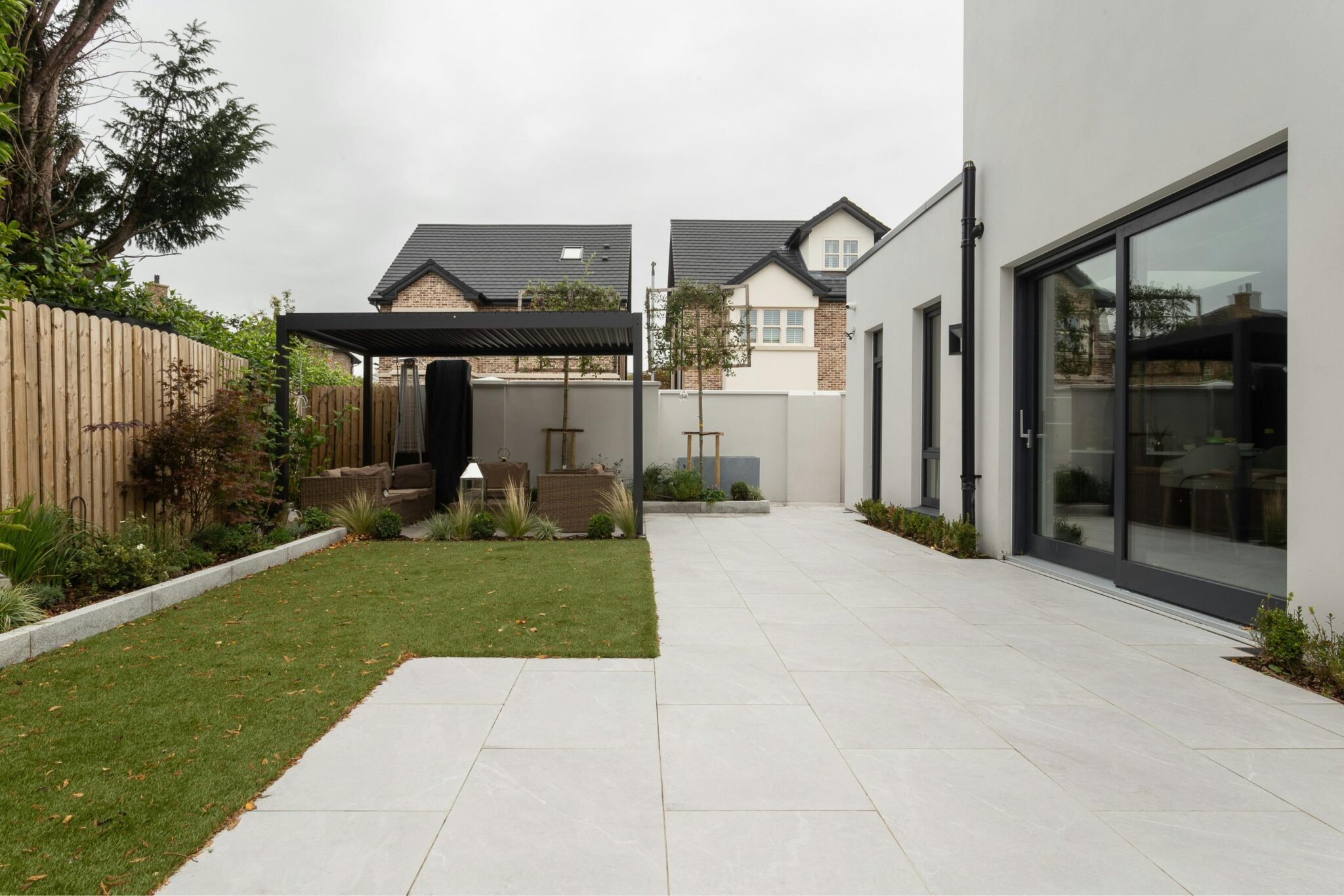
Biophilic design incorporates natural elements such as indoor plants, natural light and natural materials (including wood and stone) to bridge the gap between indoors and outdoors. Living walls, for example, not only improve air quality but also add a lush, vibrant aesthetic to any space.

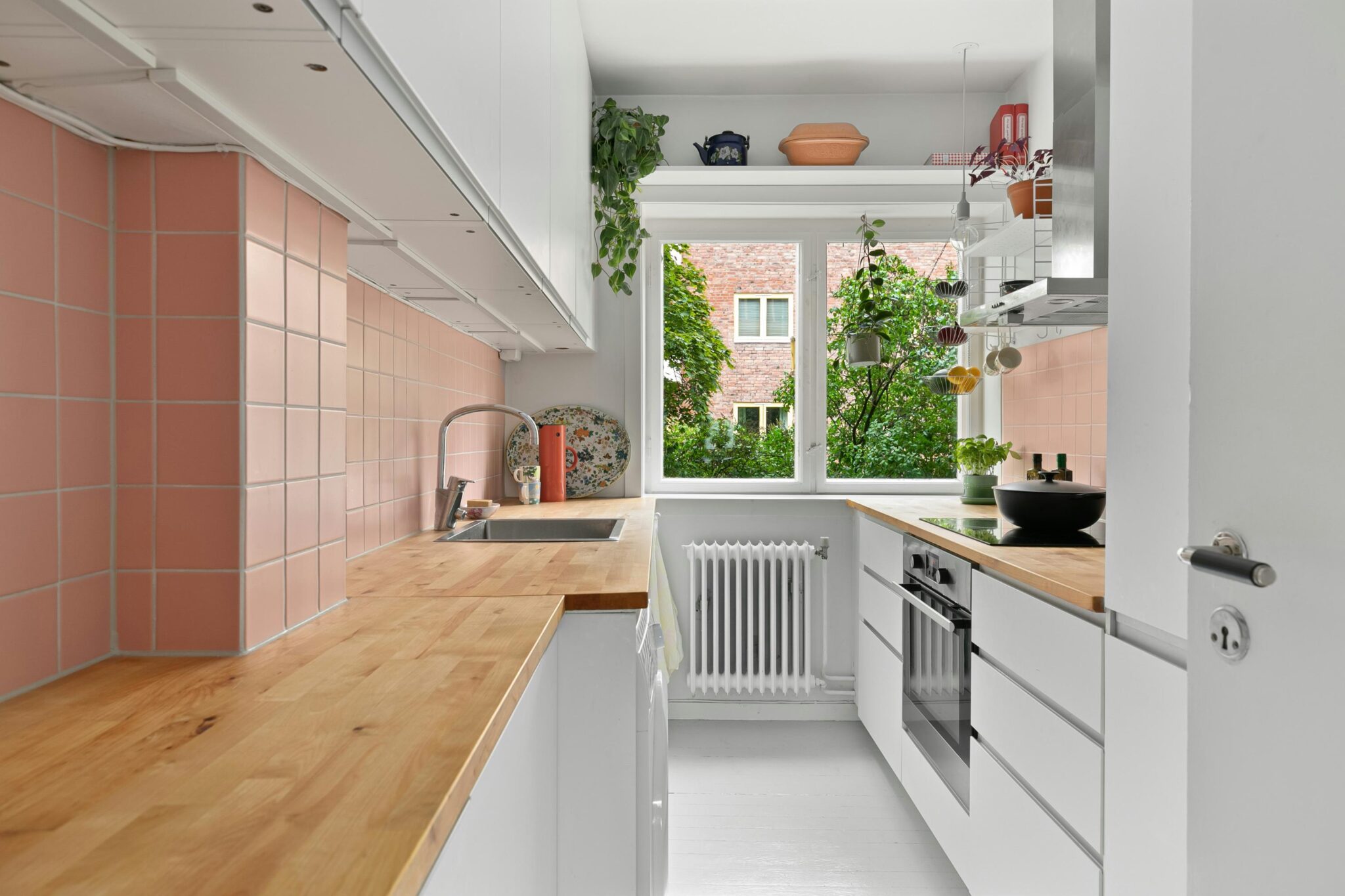
A great way to start is by introducing large windows or skylights to maximise natural light — a technique often embraced by residential interior designers to blur the line between indoors and outdoors. If you don’t want to (or can’t) make big structural changes like this, then consider making some smaller changes. Perhaps you can add some feature nature-themed wallpaper or use earthy colour palettes to bring in a feeling of outside.
Of course, one of the easiest ways to bring nature into your home is with plants. Plants that are easy to look after include a Boston fern, aloe vera, spider plant and a peace lily.
Trend #3: Animation walls
One of the most exciting innovations in home design this year is the introduction of animation walls.
These dynamic, interactive walls bring life to otherwise static surfaces. Using advanced projection technology or LED screens, they can display moving artwork, scenic landscapes, or even personal photos in a slideshow format.
Want a backdrop for your dinner party that shows a serene forest scene or a bustling city scape? Or perhaps a child’s bedroom where the walls can come alive with animated stories at bedtime.
The possibilities are endless, and the technology is surprisingly accessible. Companies like Adobe Express make it easier than ever to create custom animations tailored to your preferences.
Trend #4: Multi-functional spaces
Gone are the days when a dining room was just a dining room and a spare bedroom just a bedroom. With our busy lives, our homes need to work harder, and this is why multi-functional spaces are so important.
You may want to create a home office that can also double as a guest bedroom for when you have friends and family to stay. Perhaps you want a kitchen island that can be both a prep area but also a dining table and a place where the kids can do their homework. Flexibility is key, so in 2025, consider how your rooms can offer you more.
My first tip is to invest in furniture that has multiple uses. A sofa bed can be added into a living room or home office to instantly turn it into an additional sleeping space. A foldable desk can tuck away when not in use, so it can be used for the children’s artwork or homework and then moved out of the way when they’re done.
My second tip is to consider your storage solutions. You want to keep clutter at bay and maximise the space you have, and built-in storage could be the best way to do this.
Trend #5: Sustainability
This will always be the top of my priority list for interiors (granted it comes in at number 5 here). I’m very conscious of what I buy, avoiding fast trends that, like fast fashion, come and go and result in binned items. Instead, I purchase what I like because I like it, instead of it simply being a trend.
But there are other ways you can be more sustainable with your home interiors. From solar panels to water-saving fixtures, you can think about prioritising eco-friendly choices that will reduce your environmental footprint.
Recycled and upcycled materials are gaining popularity, and this is something I’ve always been very passionate about. Many of the items in our home are secondhand and upcycled, and you can even go as far as to purchase reclaimed wooden floors or furniture that’s made from recycled plastics.

For those really looking to make a difference, consider starting with small, impactful changes. Switch to LED lighting, install a rainwater harvesting system, or use eco-friendly paint that’s free of volatile organic compounds. Over time, these adjustments can significantly enhance your home’s environmental credentials.
Trend #6: Personalise your home
I absolutely love making our home ‘ours’ and I’m so glad personalisation is going to be a big trend in 2025. Personalisation is about redefining design trends, allowing you to express your individuality without worrying about ‘fitting in’.
You can do this with custom cabinetry, bespoke furniture and unique colour schemes.
For a more artistic touch, consider commissioning a local artist to create a mural especially for you, or by installing custom tiles in your kitchen or bathroom. Even small details, like incorporating family heirlooms or crafting DIY decor, can add a personal touch that resonates with your story.
So there you have my predictions for home interiors in 2025. Is there anything else you would add to the list, or that you’d like to see more of? Let me know in the comments!