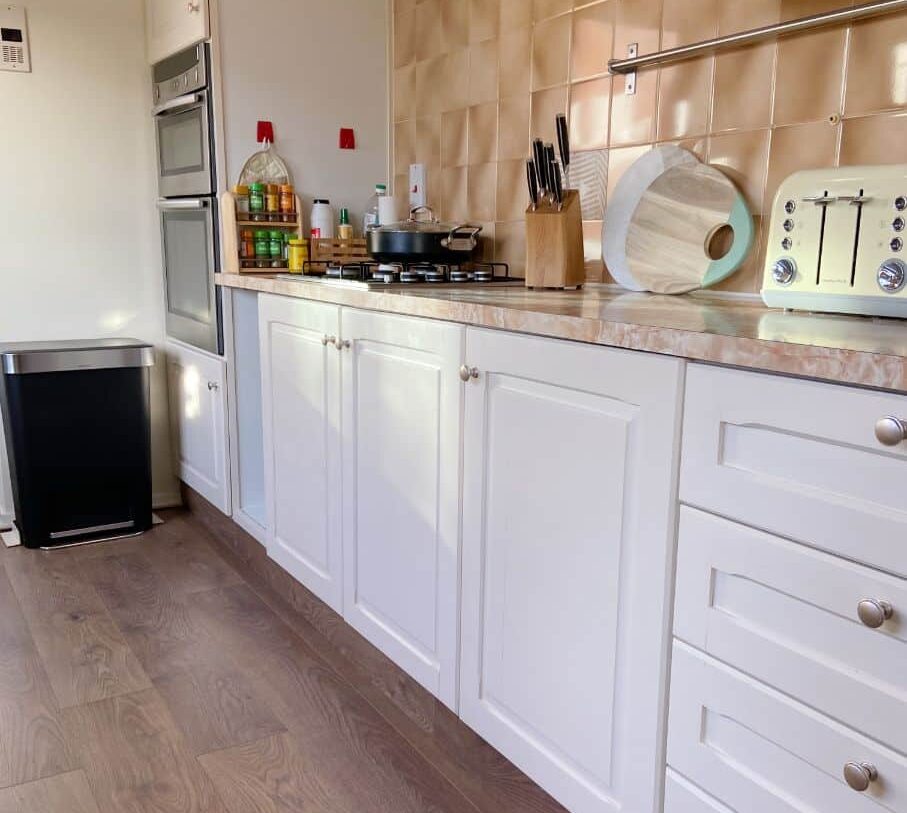
6 ways to style an ordinary space
Do certain rooms of your home feel a little ‘ordinary’. Maybe they’re a Victoria sponge when they have the potential to be a Biscoff blondey brownie (get it? The rooms are ‘bland’…..)
It’s lovely to have a room where everything is in its place and everything serves a purpose, but sometimes you need a litle pizazz, a bit of personality. The space might be working well for you, but it doesn’t make you want to hang about for long.
I think we’ve all been there, and sometimes all you need is a little inspiration. Plus, you don’t need to undertake a major renovation or have a huge budget to fix the issue. The smallest of adjustments could be the most important and make all the difference.
Below, you can find my top six adjustments you could make to take a room from ‘meh’ to ‘wow’. They are practical approaches to style an ordinary space, and they’re not just standard decorating tips — they demonstrate how you can make a room feel deliberately curated rather than accidentally assembled.
1. Layer your lighting
Many people have ‘the big light’ (as we like to call it in the North), but no other supporting lamps within a room. This creates flatness, where you have one bright light shining into the room, voiding any chance of creating a nice relaxing atmosphere.
So tip number 1 is to create depth with the lighting in your room. This means using different light sources at different heights.
I’d suggest that you use table lamps, floor lamps, and wall-mounted lighting. This may seem overboard but you won’t have them all on at once, and it gives you the freedom to choose depending on your activity.
Watching a film — go for the table lamps
Reading a book — choose the floor lamp
Playing a game with the whole family — wall-mounted lights will allow you all to see what’s going on.
Each light should be placed in a strategic location to optimise the effect. In a bedroom, LED strips behind the headboard can give a soft ambient glow, while uplights in a corner add drama.

For distinctive focal pieces, I’d suggest you take a look at ShopHomeStyles home accessories, including lighting, to completely change your ordinary space.
2. Add architectural details that aren’t permanent
New builds, and even 70s and 80s houses, just don’t have the character features that make old houses fun to live in. The good news is that you can do fake architectural details without inviting contractors.
A tall room divider — maybe rattan or wood — placed at an angle can separate areas whilst adding texture.
Self-adhesive moulding strips provide the appearance of classic panelling without a commitment.
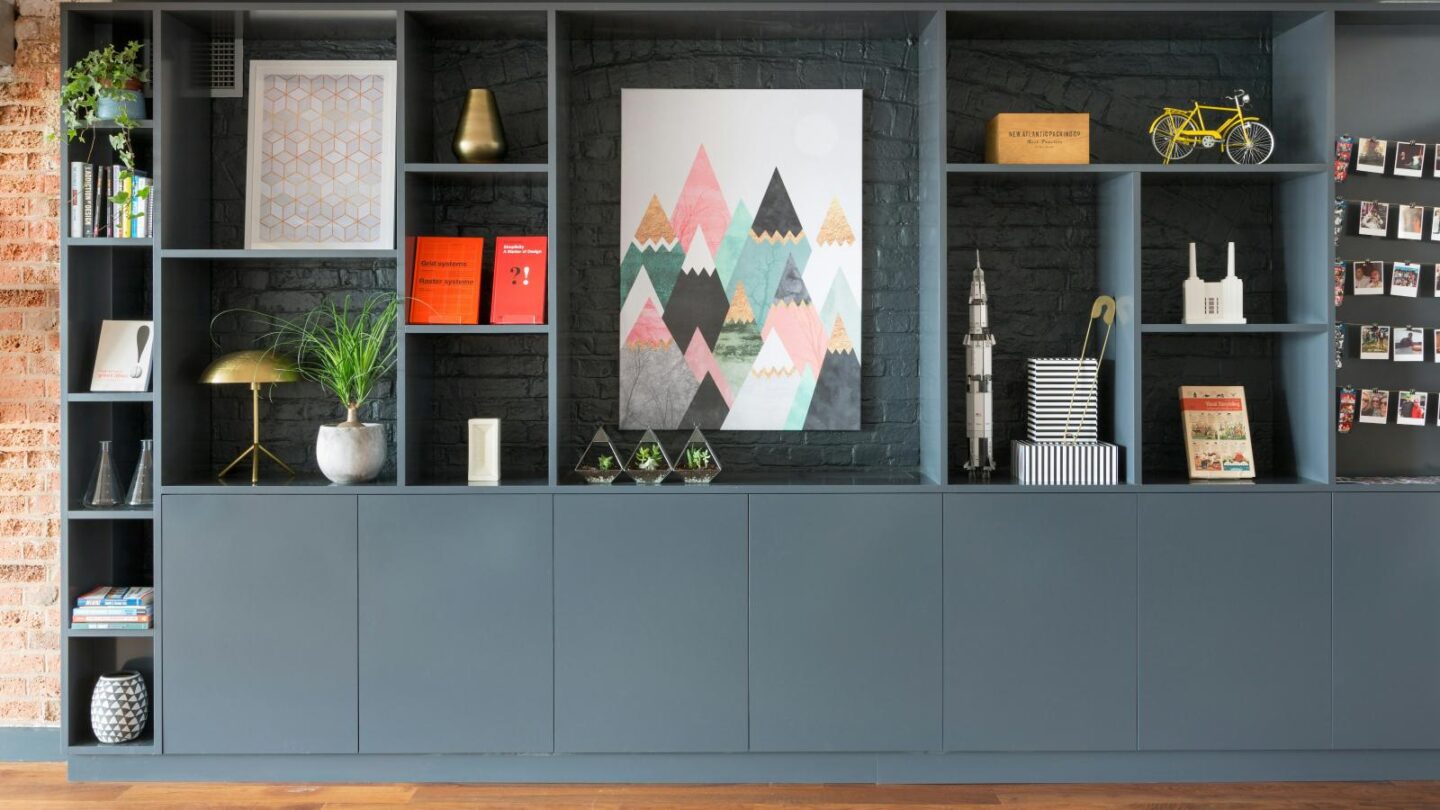
Create the look of built-in furniture by placing bookcases either side of a sofa or fireplace.
If you’re ambitious, temporary wooden beams with strong adhesive strips can add character to plain ceilings, though do be cautious as these can look very out of place in modern houses. If you’re after character in a new build, consider adding a large, old beam as a mantlepiece across the fireplace.
3. Apply colour where you wouldn’t expect it
I love using colour at home. Many people (understandably) stick to bold colours in their accent walls or sofa cushions and while this formulaic strategy does work, you could be missing out on so many more ways to introduce colour that pops.
The interior of your bookcases could be painted in deep plum or forest green, making for a nice surprise when the doors are opened or the books are moved. This same design strategy can be applied to the inside of your wardrobes too.
Coloured lampshades could be another great method. They diffuse light to soften the colour of the walls and can influence the mood of a room but without dominating the space.
The trick is to spread the colour sensibly instead of focusing on high-visibility spots, and I’m sure you’ll love the results.
4. Break expectations with scale
You may not realise it, but everything in your home has an appropriate scale. A tiny painting will look silly on a huge wall, so you probably automatically reach for a larger print. But once you’ve got the basics of proportion down, you can start to play with scale deliberately — and that’s where things get interesting.
Strategic proportions can turn ordinary rooms into more dynamic ones. Oversized or undersized elements create visual contrast and add a curated, designer feel. Try a 90cm wide abstract canvas in a narrow 1.8m hallway to create an unexpected moment of drama. Place a tiny vintage stool next to a towering fiddle-leaf fig to contrast delicacy with height. Or balance a low, chunky coffee table with slim-legged accent chairs to keep the space feeling grounded but airy.
You can also reverse expectations: a massive floor lamp in a small reading nook, or a bold pendant light over a modest kitchen island, draws the eye and gives the room purpose.
Just remember to keep the surrounding elements simple so your oversized piece remains the focal point.
5. Create micro-environments
Open-plan rooms don’t have a sense of purpose and they have no boundaries. When this is the case, the room can feel a little disjointed, so the answer is to zone your spaces.
You can use anything to ‘zone’ a space, as long as it creates a kind of boundary that splits one large room into smaller sections. For instance, you could use a sofa between your living space and dining room to zone that section. Rugs work wonders for zoning, so you can put a rug under a dining table in a large kitchen-diner to separate the spaces.
The key idea is you don’t need actual walls. The different lighting, textures, or even colours alone can indicate that this part of the room does something as opposed to that part.
Minor stylistic differences, like matte black fixtures in work areas and brass details in lounging areas, contribute to invisible boundaries. These strategic decisions can turn a clumsy large space into one that seems well designed.

6. Choose collections that show your personality
The most memorable rooms aren’t defined by price tags — they’re shaped by personality. Carefully chosen collections can turn everyday items into storytelling tools, offering a glimpse into your interests, travels, or quirks.
To display your belongings, you could try:
- Purposefully grouping the same items together
- Repeating a pattern with the items you have
- Using odd numbers — it’s the secret to interior design! Group items in odd numbers, such as three or five.
- Adding negative space — leaving a little breathing room between objects can help your display feel intentional
- Experimenting with height so all your items aren’t at the same level.
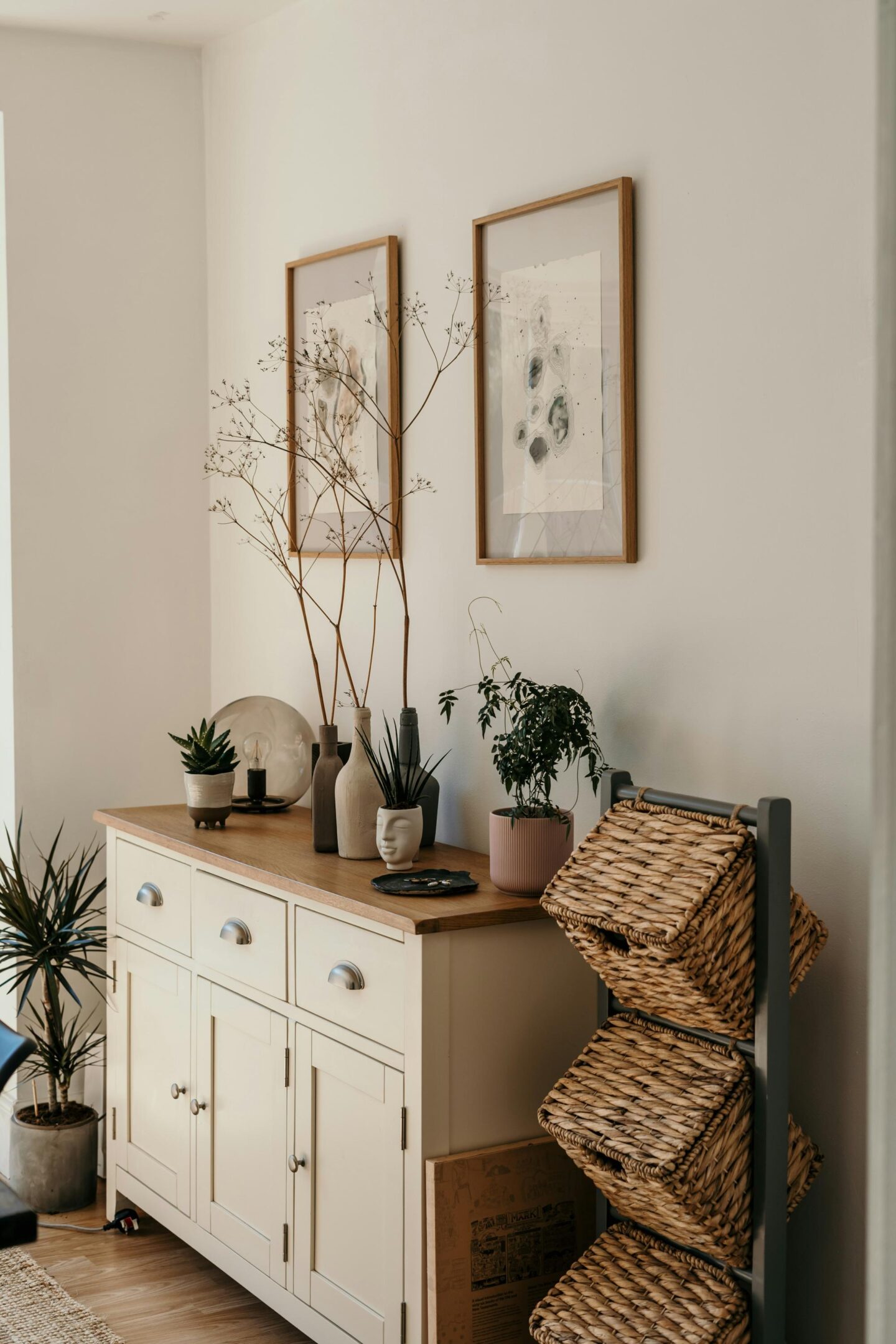
The result? A space that’s unmistakably yours. Even the most practical pieces can become conversation starters when they’re grouped with care and displayed with intention.
Conclusion
It doesn’t take a massive renovation or a big budget to style an ordinary space.
Instead, it takes design decisions. Each technique I’ve explored, from strategic lighting layers to temporary architectural details, offers achievable ways to reinvent your surroundings. These aren’t wholesale changes but precise interventions: a gallery wall using existing art, a reading nook created with repurposed furniture, or unexpected colour applications that cost nothing but imagination.
Start with one change that resonates with you. See what happens when you change one thing, such as putting a large mirror up to reflect more light, and you transform your day-to-day. Over time, your space transforms into a functional backdrop to authentic self-expression.