
Your handy lawn care calendar (month by month)
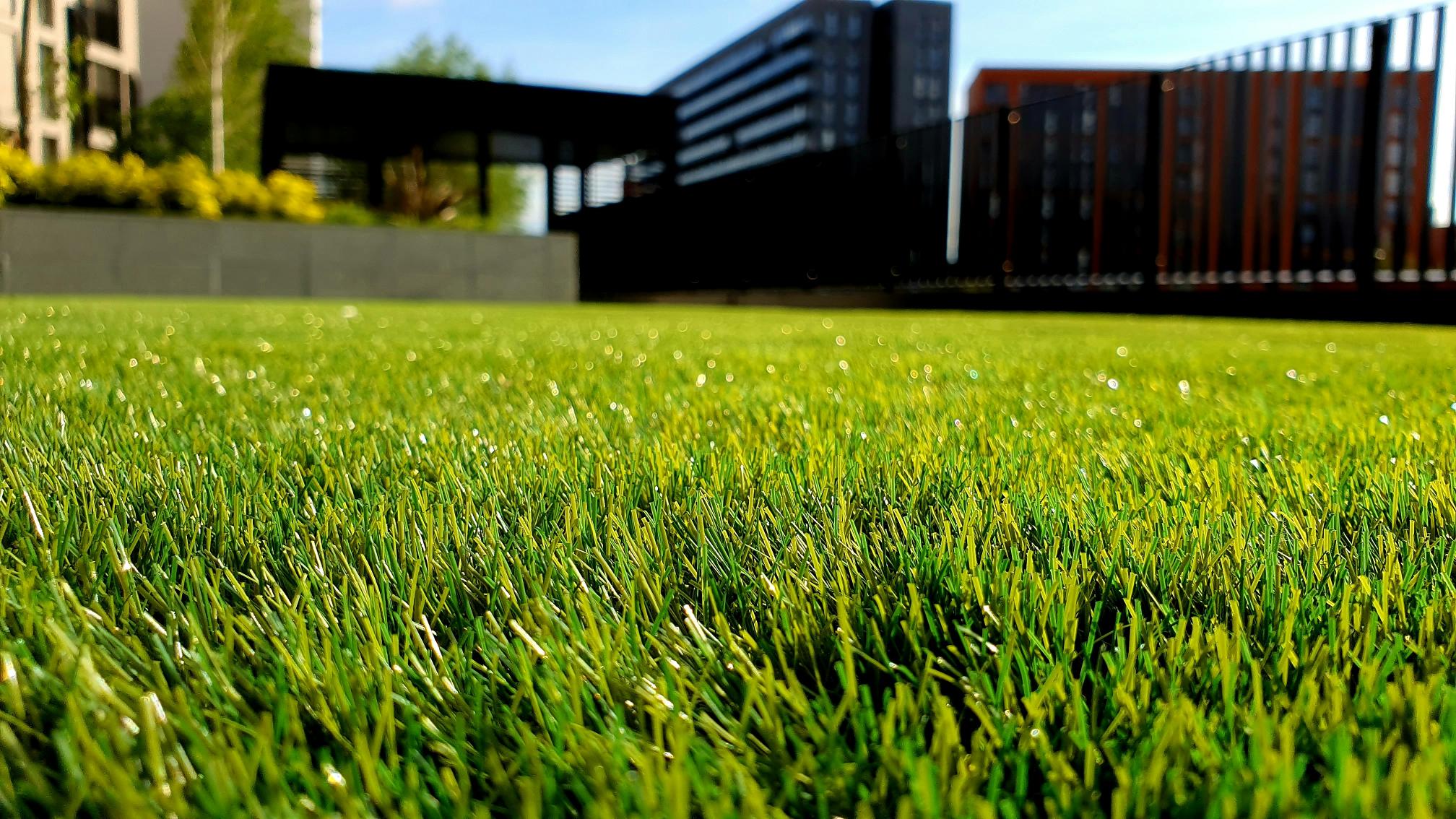
A beautiful lawn doesn’t happen by accident — it takes time, attention, and seasonal know-how. Whether you’re starting from scratch or maintaining a well-established garden, the key to lush, green grass lies in doing the right things at the right time.
So if you want to compete with your neighbours and their perfect lawns, here’s your handy lawn care calendar, broken down into months so you know exactly what needs to be done.

Spring
Spring is here, which means the days and nights are a little warmer, the clocks have changed so we get a little more daylight, and we’re all starting to see the signs that summer will soon be here. So what should you be doing with your lawn in the spring?
March
As the ground begins to warm, it’s time to kickstart your lawn. Start by raking away any debris that’s accumulated in the winter, including leaves and dead grass, to allow sunlight and air to reach the new shoots below. If the soil is compacted, aerating it now will help it breathe and drain better.
This is also a good time to check your lawn mowers. Sharpen the blades to reduce churning, check the oil and clean the underside. A well-maintained mower cuts cleanly and reduces stress on the grass.
April
By April, growth begins to pick up. It’s a good time to apply a lawn feed that’s high in nitrogen to help boost the colour and encourage growth.
If moss is a problem (as I know it is with our garden), you can use a moss killer and scarify a week later. This removes the dead material and gives your lawn space to flourish. However, the moss is good for the environment, and I actually don’t mind it so much, so I keep it!
Keep an eye out for weeds and spot-treat them early before they have the chance to spread.
May
With the warmer and potentially wetter weather comes growth. Your grass will now be growing quickly, so mow at least once a week to ensure it doesn’t get too long.
You also don’t want to cut it too short either! I now, grass is fussy. You should remove no more than one-third of the grass height at a time. This helps maintain strong root growth and prevents stress.
It’s also a good moment to overseed any bare patches. Water regularly if the weather is dry, especially after sowing.

Summer
Phew, we’ve made it to summer! But there’s still things you can do for your grass to ensure it continues to look its best self.
June
By June, your lawn should be thick and green. Continue mowing it regularly, raising the blade slightly during dry spells to prevent scalping. Lawns thrive with consistent care, so stick to a schedule.
If there are a few consecutive weeks with no rain, then I’d try to avoid mowing as much as possible. If it gets really long, give it a high cut. This helps the grass to keep the moisture in and prevents it from going as yellow.
You can also apply a summer lawn fertiliser. It contains the right balance of nutrients for hot weather. Avoid feeding during very dry conditions, however, as this can burn the grass.
July
The summer heat can take a toll on your lawn. Watering is crucial, but it’s better to water deeply once or twice a week than little and often. Early morning or evening is best, otherwise watering in the hot midday sun will only result in evaporation, making it a pointless exercise.
Whereas most people are tempted to clear their lawn with a rake, I’d actually consider leaving the grass clippings on the lawn. This is known as mulching, and these off-cuts will return moisture and nutrients back to the soil.
August
The hot weather isn’t over just yet, and high traffic and dry spells can cause damage to your lawn. Keep mowing but take care not to stress the grass further in very dry weather. If your lawn looks tired, don’t worry – grass is surprisingly resilient and often recovers with the return of cooler, wetter weather.
This is a good time to plan ahead. If you’re thinking of adding borders or reshaping your lawn, sketch out your ideas now so you’re ready to act in autumn.

Autumn and Winter
The cooler months are coming, but there are still things you can do during this period to ensure your grass is perfectly prepared for the following spring and summer.
September
Autumn is a fantastic season for lawn care. The soil is still warm, but rainfall is more frequent, providing ideal conditions for seeding and recovery. Start by scarifying your lawn to remove thatch and moss, then aerate to improve drainage and root health.
Overseed the lawn and apply an autumn lawn feed rich in potassium to strengthen the grass ahead of winter.
October
You can continue to mow your lawn, but gradually reduce the frequency as growth slows. Set your mower to a higher setting for the last few cuts, as longer grass is better able to resist frost and disease.
Clear fallen leaves regularly to avoid them smothering the grass. If you haven’t already, finish overseeding and feed to give your lawn the best chance of surviving the colder months.
You should stop mowing once the temperature drops to freezing over night, usually around late October.
November
Your lawn won’t need mowing now unless the weather remains unusually mild. Instead, focus on tidying the garden. Remove debris, trim lawn edges and store away tools like lawn mowers and strimmers for the winter.
Avoid walking on your lawn when it’s frosty or waterlogged – this can damage the grass and soil structure. If you’re short on space, now is the perfect time to consider a long-term storage solution like a well-built shed.
December to February
Your lawn’s earned a break, so let it rest up over winter. Try to keep foot traffic to a minimum, especially when it’s frosty or soggy underfoot, and keep an eye out for stubborn moss or any drainage issues – they could be signs that your lawn needs a bit of extra TLC come spring. If the ground’s not frozen, a quick once-over with a garden fork can improve water flow and prevent sogginess.
This quieter season is a great time to plan ahead. Could your mower do with an upgrade? Fancy adding a water butt to help with summer watering? Or maybe start composting those grass clippings so you’ve got nutrient-rich feed ready to go?
Remember, a lawn isn’t just grass – it’s the stage for your whole garden. By following this simple month-by-month guide, you’ll stay on top of seasonal tasks without feeling overwhelmed. And while nature always has the final say, a little effort and good timing go a long way towards a vibrant, healthy lawn.


