

How much will your plumbing work cost?
When undertaking a home renovation, plumbing is one area that often surprises homeowners with hidden complexities and costs. Whether you’re upgrading a bathroom, remodelling a kitchen, or adding an ensuite, understanding plumbing costs and how to manage them is essential for keeping your renovation on budget.
This article covers the main cost factors associated with plumbing renovations in the UK, including how to budget effectively and practical advice from a plumbing expert on avoiding unnecessary expenses without compromising quality.
What affects the plumbing costs during a renovation?
Plumbing work during renovations isn’t one-size-fits-all. Costs can vary widely based on several factors:
1. The extent of the work
Replacing an old copper pipe is obviously going to cost significantly less than relocating a toilet or moving a bath. These things require new pipework and drainage considerations, which can increase labour and material costs significantly.
2. The age of the property
Older homes often have outdated plumbing systems that may need replacing. Cast iron, lead, or galvanised pipes may not comply with current building regulations and could pose safety risks.
3. Compliance with Building Regulations
Any work involving water supply or waste must comply with UK Building Regulations. Working with a licensed plumber ensures that your renovation meets legal standards and passes inspection, particularly for major works.
4. Your choice of materials and fixtures
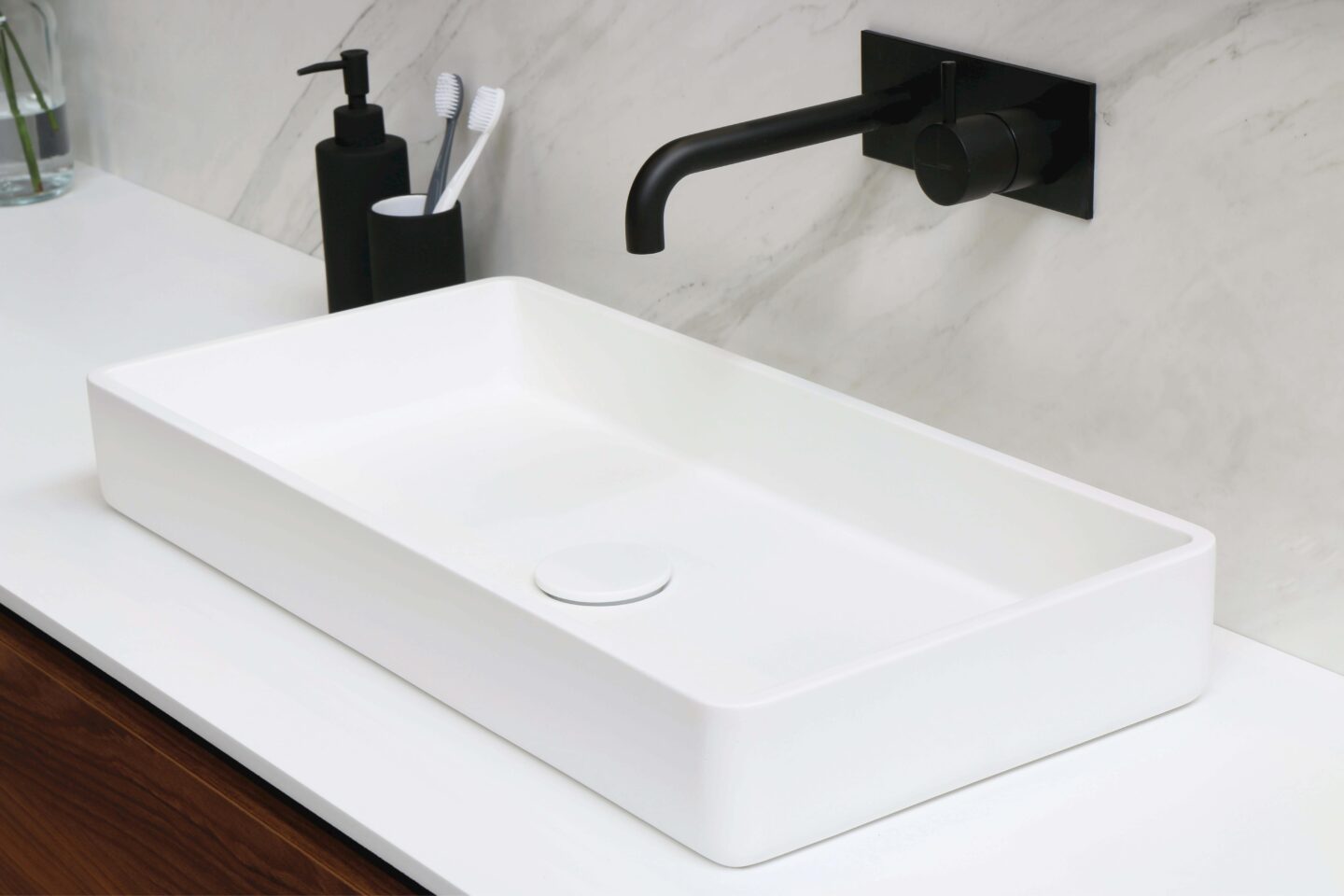
From copper pipes to PEX tubing and high-end designer taps, the materials you choose have a direct impact on the total cost. Budget fixtures are available, but their durability and finish may not always match mid-range alternatives.
I’d therefore be conscious of choosing the cheapest fixtures and fittings, as you’ll only end up replacing them in the months or years to come, and leaks could involve significant damage that means you have to replace flooring too. It’s not worth it!
5. Your location
Rates for plumbers differ across the UK. In London and the South East, daily rates for experienced professionals are typically higher than in the Midlands or the North. Hiring a plumbing expert can add value, but it’s wise to compare rates locally.
What are the typical plumbing costs for UK renovations?
While every project is unique, here are some ballpark figures for common plumbing tasks in the UK (excluding VAT and parts):
- Replacing taps, basin, or toilet: £100 to £400 per item
- Full bathroom plumbing (including labour): £2,000 to £6,000
- Kitchen plumbing (including sink, dishwasher, washing machine): £1,500 to £4,000
- Installing a new bathroom (ensuite or extension): £4,000 to £10,000+
- Rerouting pipework: £300 to £1,000+ depending on access and distance
Always request a detailed quote and ensure it includes both labour and materials, as some plumbers charge separately for parts.
How to keep your plumbing costs under control
Sometimes, it’s not the inital quote that is the problem. You run into unexpected issues and before you know it, you’re spending a few thousand extra on your plumbing. Fortunately, with some planning, you can prevent your plumbing costs from spiralling.
1. Involve a plumbing expert early
Consulting a plumbing expert during the planning stage can reveal design limitations and cost-saving opportunities. For example, keeping fixtures in the same place avoids the cost of rerouting pipework.
2. Avoid any last-minute changes
Making changes once the work has begun, such as swapping a sink style or moving the shower, can lead to delays, increased labour charges, and material waste.
3. Use mid-range fixtures
High-end fittings may look beautiful, but affordable, well-reviewed options often offer similar performance and lifespan. I’d suggest that you prioritise function over brand names unless you’re going for a luxury finish.
4. Bundle tasks
If you’re planning other trades (like electricians or tilers), try to schedule them alongside the plumbing to reduce the number of call-outs and speed up the timeline.
5. Hire a licensed plumber
Using a licensed plumber ensures that all work meets legal and safety standards. It also protects you from costly repairs down the line, especially in the event of leaks or insurance claims.
Budgeting tips for your renovation
To ensure your plumbing renovation stays within financial reach:
Get at least three quotes
Compare quotes not just on cost, but on scope, materials, and timelines. Look for transparency and detailed breakdowns.
Set a realistic contingency
This is always an absolute essential. Allocate an extra 10 to 15% of your plumbing budget for unexpected issues, such as uncovering leaking pipes or corroded connections once walls or floors are opened up.
Know what’s DIY-friendly (and what’s not)
While some small plumbing jobs might be DIY-safe, anything involving mains water, gas, or drainage should be handled by a professional.
Understand your water pressure
If you’re upgrading to power showers or multiple bathrooms, ensure your system can handle the flow. You may need a pump or even a new boiler, which adds to the cost
Plumbing is one of the most vital components of any home renovation. While it might not be the most glamorous part of your project, it plays a critical role in functionality, safety, and value. By working with a plumbing expert, budgeting carefully, and prioritising essential upgrades, you can complete your renovation with confidence and avoid unpleasant surprises down the road.


