
5 tips for revamping your garden ahead of spring
It feels like we’re finally getting to the edges of spring. The evenings have started to get a little lighter, with the sun going down around 5.15pm instead of 4pm! The temperatures are getting a little milder, although March can sometimes get chilly and bring snow.
This means there are some things you can start doing to your garden now to help it recover from the winter and get ready for spring, particularly if (like mine), your garden looks a little messy and cluttered from lack of attention over the cold months.
With my practical steps below, you can start paying attention to your garden to create somewhere that feels tidy and inviting, ready for sunny afternoons, planting, and enjoying the first blooms of the season.

Step 1: Get rid of unused or broken items
Winter can be harsh on our garden, and even the items inside the shed or garage. Take a walk around your garden and look for anything that’s broken, worn out, or hasn’t been used for a while. Winter can leave its mark, from snapped tool handles to weather-beaten ornaments.
Separate items into piles for recycling, donating, or responsibly disposing of rubbish. Clearing out clutter now gives you a clean slate for spring planting and makes your garden feel instantly lighter and more manageable.
My top tip? Keep an eye out for empty pots as these are perfect for early spring seedlings if you don’t want to throw them away.
Step 2: Organise your tools with practical storage solutions
Once you’ve decluttered, it’s time to give your tools a proper home. Spring is the season when gardening really kicks off, so knowing exactly where everything is will save you time, stress, and frustration.
Start by grouping tools by type or purpose: spades and rakes together, pruning shears and secateurs in another spot, and small items like seed packets, gloves, and plant feed in easy-to-reach containers. Hooks, pegboards, and shelves can be real lifesavers here, keeping everything visible and accessible.
High-quality garden sheds can make a huge difference. Not only do they protect your tools and supplies from the weather, but they also give you a dedicated space to work from and keep everything tidy. If you don’t have room for a shed, consider sturdy storage boxes or weatherproof cabinets for smaller items.
For spring, it’s also worth thinking about seasonal essentials. Keep compost, mulch, pots, and seed trays nearby so they’re ready when planting season starts. Consider adding a small workbench or table inside your shed for repotting seedlings, organising bulbs, or keeping a garden journal.
Label everything clearly, and don’t forget vertical space. Hanging baskets or racks inside your shed can free up floor space and make it easier to find what you need quickly. The more organised your tools are now, the more enjoyable and productive your gardening will be over the coming months.
Step 3: Clean your patio and your garden furniture
Spring sunshine makes this the perfect time to revive hard surfaces and outdoor seating. A pressure washer can bring patios and paved areas back to life after winter’s dirt, moss, and grime.
And don’t forget about your garden furniture. Wipe down tables, chairs, and benches, and check for any repairs before you start enjoying meals or drinks outside.
Bright, clean surfaces instantly make your garden feel welcoming, ready for weekend breakfasts in the sun or evening drinks with friends.
Step 4: Refresh your planting areas
Spring is the season when your garden really comes back to life, so now’s the perfect time to give your planting areas a thorough refresh. Start by clearing away any dead leaves, old mulch, and winter debris. Pull weeds by hand or with a hoe, making sure to get right down to the roots so they don’t come back later.
Next, prune overgrown shrubs and tidy up crowded borders. Remove any dead or damaged growth left over from winter to help your plants focus their energy on new shoots and blossoms. This is also a great opportunity to divide overcrowded perennials—just replant the sections to create more space and encourage healthy growth.
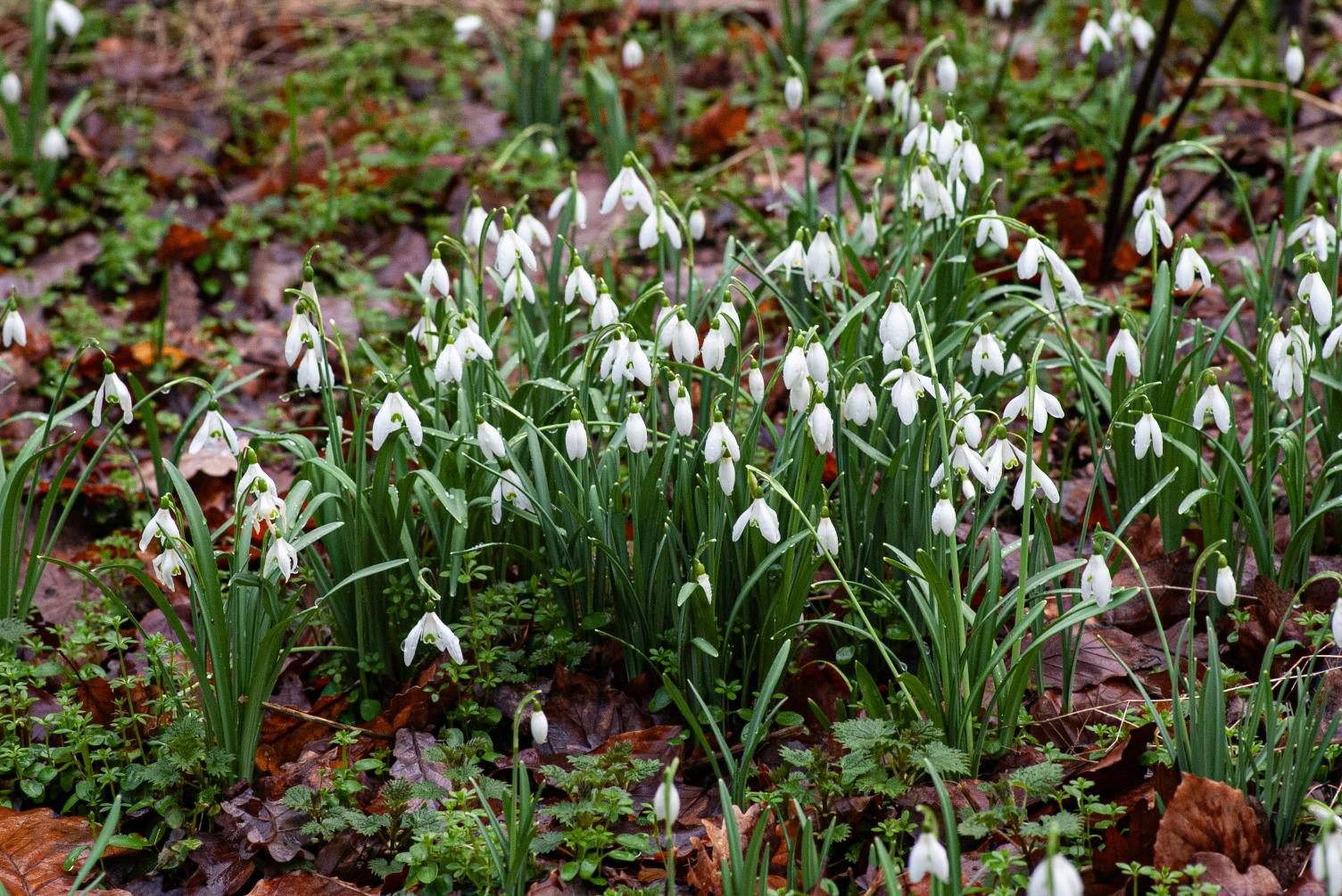
Once your beds are tidy, think about adding colour and structure. Early spring bloomers such as daffodils, crocuses, primroses, and hellebores give an instant lift, while evergreen shrubs provide year-round interest. If you want to plan ahead, group plants with similar light and water needs—this makes watering and maintenance easier as the season progresses.
Adding a fresh layer of mulch not only makes your planting areas look neat but also helps retain moisture, suppress weeds, and protect young shoots from late frosts. For a finishing touch, consider planting some seasonal vegetables or herbs in pots or raised beds; spring is the ideal time to sow seeds like peas, lettuce, radishes, and chives.
Finally, don’t forget about soil health. A light top-up of compost or well-rotted manure can give your plants the nutrients they need to flourish this spring. By taking these steps now, you’ll create planting areas that are not only tidy and attractive but also primed for growth and bursting with life over the coming months.
Step 5: Create well-defined zones
Spring is the perfect time to rethink how you use your outdoor space. With longer, sunnier days ahead, creating clear zones ensures your garden works for you and your lifestyle, whether that’s relaxing, entertaining, gardening, or letting the kids play.
Perhaps a sunny spot for al fresco dining, a play area for the kids, a modern BBQ corner, a corner for wildlife-friendly planting, or a quiet reading nook.
Simple zoning techniques can make a huge difference. Lawn edging, stepping stones, gravel paths, or different types of ground cover can clearly separate areas while adding visual interest. Raised beds, trellises, or low hedges are also excellent ways to create boundaries and structure.
Spring is also the ideal time to add features that encourage seasonal use. A bench in a sunny spot, a small firepit or BBQ area, or a shaded seating nook can transform your garden into multiple functional spaces. You could even dedicate a corner to early spring flowers or bulbs, giving your zones an instant burst of colour.


