

How to choose and use Ogee architrave
I know, architrave and skirting isn’t the most interesting aspect of interior design. Most people (including me) are far more excited about the wall decor, the flooring, the lighting and the final touches that bring a whole room together.
But actually, it’s the details like the skirting and architrave that can take a room from budget to luxury, and these things can quite easily be overlooked.
Choosing the right type of skirting is something to think about, especially if you’re extending an existing space. The Ogee architrave, something you might not have heard of before, is traditional in style and yet can be applied to both older and modern buildings.
Below, you can find more information about how to pair Ogee architraves with skirting boards for a cohesive, polished finish. Whether you’re fitting out a new build, renovating a period property, or simply updating tired mouldings, this guide will (hopefully!) help you make confident design decisions.
What is Ogee architrave?
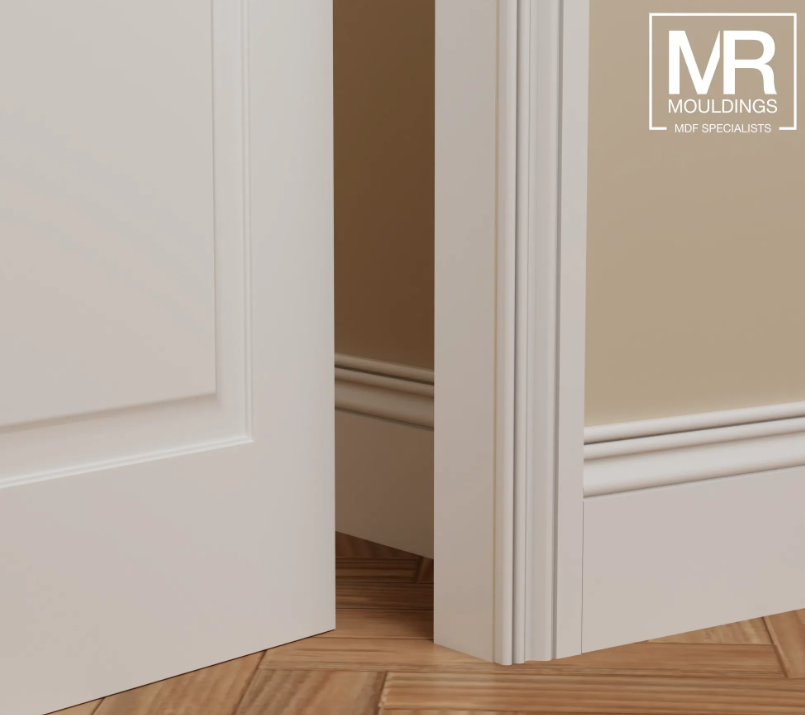
Ogee architrave is a type of decorative trim that surrounds internal doors and windows. The term “ogee” refers to the distinctive S-shaped profile, a curved section that flows into a concave edge. This style has long been used in classical architecture and remains popular today for its smooth lines and timeless appearance.

Ogee architraves work well in a variety of interiors. They add interest without being over the top and, thanks to their subtle curves, they suit both traditional homes and more modern spaces looking to soften sharp lines.
Why should you match your skirting and architraves?
Skirting boards run around the base of your walls, while architraves frame your doors. Though they sit in different areas of the room, they often meet, especially at doorways. If the two styles clash, the finish can feel disjointed, but when they’re well-matched, the transition between elements feels seamless.
Pairing your skirting boards with your architrave helps to:
- Create a unified look through the room
- Highlight the quality of the finish
- Maintain architectural consistency, something that is more important in period properties
- Support the overall style or mood of the interior.
That’s why it’s so important to think about your architrave and skirting choices together, not in isolation.
Choosing skirting to match your Ogee architrave
The good news is that Ogee skirting boards are widely available and made to match ogee architraves. This is the easiest way to get a consistent look. You can choose the same profile for both and let the lines flow naturally from floor to frame.
However, if you want a slightly more custom look, or you’re mixing profiles intentionally, there are a few things to keep in mind.
1. Match the profile style
If you’re not going for a full Ogee set, make sure your chosen skirting still has a similar visual language. Look for profiles that include curves, bevels or soft edges. Avoid very square or ultra-modern profiles, which may jar with the softer Ogee architrave.
Some popular options that work well with ogee architraves include:
- Torus skirting, with its bold rounded edge
- Lambs tongue, which shares the soft flowing feel
- Bullnose, if you want a very minimal option that doesn’t clash
2. Keep scale and proportion in mind
Another important factor is proportion. The height of your skirting board should feel balanced in relation to the size of your architrave. If your architrave is tall and decorative, pairing it with a very low skirting can sometimes feel mismatched.
As a general rule:
- Use skirting boards between 120mm and 170mm for standard ceiling heights
- Go for taller skirting (up to 220mm or more) in period homes with high ceilings
- Make sure the depth of the profiles is consistent, so they sit flush where they meet
3. Consider the material
Most Ogee architraves and skirting boards are available in softwood, hardwood, or MDF skirting moulding. MDF is a reliable, cost-effective choice that comes primed and ready to paint. It’s stable, doesn’t warp easily, and is ideal for internal use.
If you’re working on a high-end project or want a natural wood finish, you might prefer oak or pine. Just remember to choose the same material for both skirting and architrave to keep the finish looking consistent.
4. Finish with colour consistency
To keep things cohesive, most people paint skirting and architraves the same colour, often in white or a complementary shade to the walls. This helps them blend together visually and keeps the focus on the profile, rather than creating contrast.
In some interiors, painting them in a bolder colour can work well, especially if you’re trying to frame doorways or create a strong architectural statement.
Whatever colour you choose, make sure it’s carried through both elements.
Why Ogee architrave remains a popular choice
There’s a reason Ogee profiles are still so widely used. They strike the perfect balance between detailed and understated and they add just enough character to make your interior feel finished, without competing with other design elements.
Ogee architrave and skirting is especially popular in:
- Renovations of Victorian and Edwardian homes
- New builds aiming for a classic twist
- Properties that mix traditional and modern features
- Homes looking for a soft, welcoming feel without overcomplicating the decor.
It’s also a safe bet if you’re unsure what direction your design will take long-term.
Installation tips for a seamless join
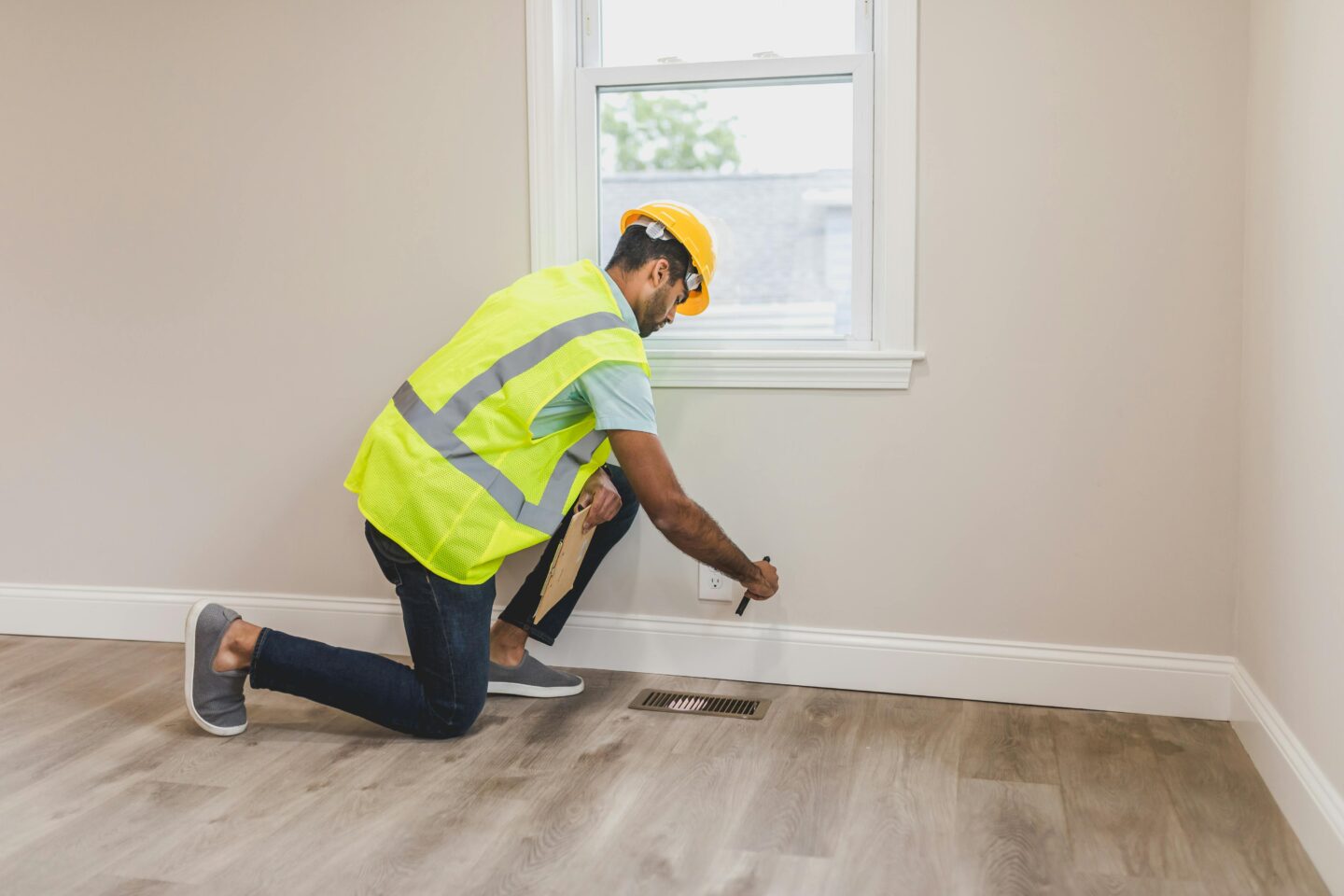
If you’re fitting Ogee skirting and architrave yourself, my top tip would be to take extra care at the junctions. Where the skirting meets the architrave, the profile should line up cleanly. This often means adjusting the cuts slightly or using a back mitre joint to avoid harsh lines.
A professional finish depends not just on the product but on the fit. A little extra time spent aligning the details will make the final result feel seamless.
If in doubt, hiring an experienced installer ensures the mouldings sit correctly, particularly in rooms with uneven walls or older door frames.
Pairing Ogee architrave with the right skirting board is one of the simplest ways to improve the look of any room. Whether you’re refreshing a hallway or fitting out an entire property, getting the mouldings right makes a huge difference to the final feel.
Stick to consistent profiles, choose materials that work together and keep proportions in check. Ogee profiles offer timeless appeal, and when matched carefully, they bring a clean, classic finish to any space.


