6 ways to use microcement around your home
Microcement is a popular interior design choice that’s used to inject a sleek and contemporary aesthetic.
But as a relatively new and innovative concept, it can be difficult for homeowners and business owners to know how to use it throughout their properties. In this article, I’ll be going through what microcement is, why you should use it and how it can be used throughout any building, whether it be residential or commercial. Here’s what you need to know about microcement and how to use it effectively.

What is microcement?
Microcement is a decorative, cement-based building material that also contains polymers and fine aggregates. It’s designed to provide seamless results and a sleek finish that’s unrivalled by other building materials.
It’s applied in thin layers, with the ability to bond with existing materials, such as tiles, wood, plaster and concrete, to name just a few. The colour and finish can be customised to suit any style, and it can be applied in any room, even bathrooms and wet rooms where moisture contact is considerable.

But why do people choose to use microcement in their domestic or commercial properties?
Why use microcement?
There are many reasons why you should choose microcement as the building material used throughout your home.
Before I go into the uses of microcement in domestic homes and commercial properties, let’s go through why you should choose microcement over other materials, like tiles, wood, panelling, plasterboard and more.
- Durable material – microcement is resistant to knocks, bumps, abrasions, scratches, moisture, temperature changes and general wear and tear
- Seamless finish – microcement provides a clean, smooth and unwavering finish. This means you won’t have grout lines or visible joints to look upon
- Versatile material – microcement can be used on a wide range of existing materials, including wood, tiles, ceramic, skimming, plasterboard, concrete and more
- Easily customisable – you can choose the colour and finish of the microcement chosen for your home, tailoring the results directly to your individual taste and style
- Simple maintenance – microcement can be easily cleaned and maintained, making it a great option for those with busy lifestyles
- Mess-free – no demolition work is needed to apply microcement, saving time and money on your project
- Eco-friendly properties – microcement uses less material when compared to traditional cement and other building materials
7 ways to use microcement around your home
Now you know what microcement is and what the benefits are of using it throughout your domestic or commercial property, I’ll take a look at where microcement can be used. From kitchens and bathrooms to living rooms and patios, here are seven ways to use microement around your home that you might not have thought about.
1. Sleek kitchen surfaces
Microcement, as already touched upon, can be applied over a wide range of existing building materials, including wood, ceramics and MDF, to name just a few. This means that microcement can be used throughout the kitchen, and not just for walls and floors.
Microcement can easily be applied over worktops, cabinetry and splashbacks to inject modern, contemporary style. It is a non-porous surface when sealed properly. In addition to that, microcement is seamlessly applied, meaning no grout lines or visible joints. With fewer places for dirt and grime to hide, microcement makes for a clean and hygienic kitchen that also looks incredible.

2. Statement bathroom/wetroom floors & walls
Microcement, once applied, cured and sealed, is both waterproof and UV-resistant. This makes it the perfect choice for wet areas, including bathrooms and wetrooms. Providing a seamless, continuous and joint-free finish, microcement creates a spa-like atmosphere that oozes luxury and sophistication, whilst also being watertight and easy to maintain.
Unlike traditional bathrooms, where dirt and debris can hide in nooks and crannies, or where regrouting will need to be done around tiles on floors and walls, microcement is a continuous stream of material that can be cleaned and maintained with complete ease. Microcement bathrooms can be designed with one single colour or texture, or you can choose to have each wall a different colour and texture.

The world is your oyster when it comes to designing a sleek and modern bathroom with microcement. Create a statement microcement bathroom wall by choosing a highly-textured finish and a bold colour for good measure. One more benefit is that microcement can be made with a non-slip finish – ideal for bathrooms and wetrooms. Regardless of your individual taste, microcement will provide results that perfectly meet your needs and exceed your expectations.
3. Modern living room floors
Microcement floors are durable, low-maintenance and provide unrivalled style throughout every room in the house, including living rooms. While people will often associate microcement with bathrooms and kitchens, microcement can be used in cosy areas throughout the home, and that includes lounges, living rooms, studies and snugs.
Microcement floors can be easily cleaned, making for a hygienic and clean living space for the entire family. It’s also a suitable material for adding rugs and other soft furnishings to elevate the space even further, thanks to its non-slip properties.
Not to mention, microcement can be applied over existing flooring materials, meaning there’s no need for you to rip up flooring beforehand. Not only does this make the process entirely mess-free, but it also saves time and money on your project.
4. Textured feature walls throughout the home
A homeowner can choose microcement walls throughout their home, regardless of the room they’re renovating. As a trendy and stylish alternative to statement wallpaper or traditional emulsion paint, microcement, especially if you choose a high-textured finish, adds unique visual interest without overwhelming the space.
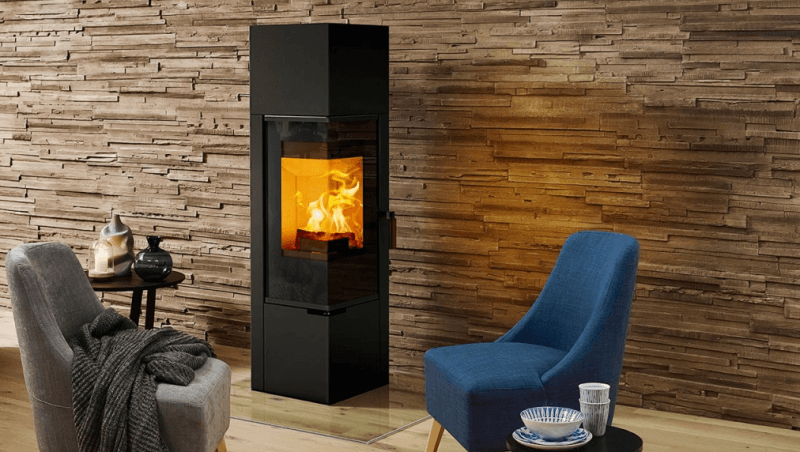
It’s a great option for behind fireplaces, as a backdrop to your television or as a thought-provoking background in a dining area.
5. High-traffic areas (hallway, stairs & landing)
Microcement is incredibly durable and robust. This means that it’s the perfect building material for use throughout high-traffic areas, including hallways, stairs and landings, as an example. It resists scuffs, scratches, bumps, knocks and abrasions, all while achieving a sleek, modern and uniform look that will last for generations. As well as this, microcement can be easily cleaned and maintained, even in the most high-traffic rooms throughout a residential or commercial property.
6. Outdoor spaces
As I’ve already touched upon, microcement is waterproof and UV-resistant once fully cured and sealed.
Not only does this make microcement ideal for use in kitchens, bathrooms and wetrooms, but it can also be used outdoors on terraces or patios. Microcement can also be applied to existing garden walls and paths, covering bricks, porcelain tiles, concrete slabs and more. In addition, it’s also slip-resistant, making it a safe yet stylish addition to any garden.
Options 4 Surfaces is pleased to provide microcement solutions to domestic and commercial clients alike. Transforming a wide range of spaces, whether indoors or outside, microcement can be easily applied while providing a long-lasting, impressive finish that will last for decades.