
How to dress your sliding glass doors for privacy
Sliding glass doors really are the showstoppers of modern British homes. They flood rooms with natural light, open up spaces beautifully, and create that seamless flow to the garden we all dream of. But while they look fab, they can be a bit tricky when it comes to privacy, glare, and keeping the temperature just right.
If you’re thinking about upgrading your sliding patio doors, consider unplasticised polyvinyl chloride (uPVC) for ample natural light and excellent thermal insulation, reducing drafts and energy costs. Its sleek, modern frames provide a clean backdrop, from minimalist roller blinds to full, flowing curtains.
Then, you need to dress those doors. Whether you’ve got a full-height patio opening, a swish new extension, or a slimline internal partition, you should consider curtains or blinds to add a bit of texture and privacy.
Luckily, there are loads of clever and good-looking solutions out there, and with some help from IQ Glass, the architectural glazing pros, I’ve brought you this guide with all the inspo you need.

Option 1: Sheer or linen curtains
Sheer curtains are a lovely option if you want to keep that gorgeous natural light without being dazzled. Linen and voile are perfect picks too – they let the sunlight through softly, give you a hint of privacy, and add texture without weighing the room down.
Go for a ceiling-mounted track to make the curtains look like they’re floating. Bonus: it makes your ceilings seem taller too.
Fancy a bit more flexibility? Layer sheers with something heavier behind, so you can tweak the light and privacy as the day goes on.
Option 2: Blackout curtains
If your doors look out onto a street—or straight into someone else’s kitchen—blackout curtains are your best friend. Thick, lined, and incredibly effective at blocking light, they’re great for bedrooms, home cinemas, or anywhere you need a bit more seclusion.
Velvet and heavyweight weaves not only keep things private but also help with insulation—cosy in winter, cool in summer. Just be sure your curtain track extends past the doors, so when the curtains are open, they sit neatly at the sides and don’t block any precious sunlight.
Option 3: Vertical blinds
Vertical blinds used to be the wallflowers of the window world, but they’ve had a serious glow-up. Today’s versions come in subtle tones, textured fabrics, and slimmer profiles that blend beautifully into modern interiors.
They’re brilliant for high-traffic areas like kitchens or lounges where the doors get used a lot. You can tilt them to adjust the light without fully opening them, and they’re way less faff to clean than horizontal blinds. Plus, if you’re renting or working with a tight budget, they’re an easy win.
Option 4: Sliding panel blinds
Got big panes of glass? Sliding panel blinds could be just the thing. They’re like the grown-up cousin of vertical blinds — wide fabric panels that glide smoothly along a track and stack neatly to one side.
The choice of materials is lovely too. Think woven bamboo, softly textured linens, or solar screen fabrics with built-in UV protection, ideal for keeping glare down without darkening the room. These look especially slick in minimal or Scandi-style spaces, where clean lines and natural materials rule the roost.
Option 5: Add layers
If you want flexibility (and who doesn’t?), layering is the way to go. You might start with sheers for daytime softness, then draw a heavier blind or curtain in the evening when you want more privacy or warmth.
Layering also adds depth and interest to your room: linen against velvet, say, or bamboo with gauzy voile. It’s a small design move that can make a big difference to how a space feels.
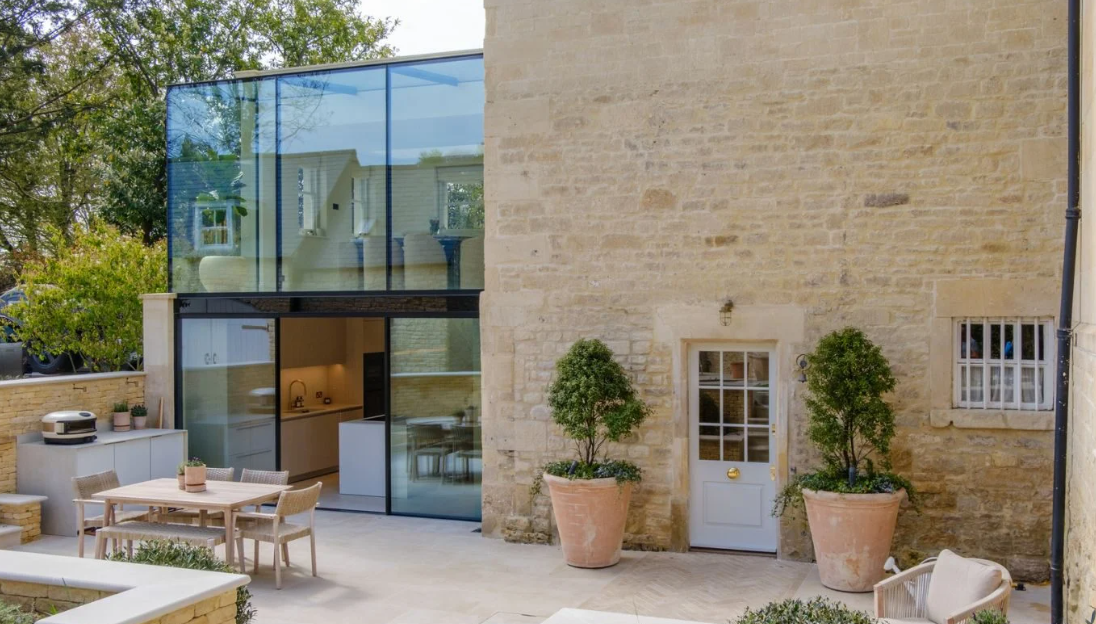
Option 6: Natural textures
The interiors world is having a real moment with natural materials, and window treatments are no exception. Bamboo, rattan, cotton, wood—you name it, they’re all in the mix.
They add warmth, tactility, and a lovely sense of calm to a space. They’re also surprisingly versatile, working just as well in a breezy coastal home as they do in a leafy suburb or city flat. And if you’re thinking about sustainability, these materials tend to be kinder to the planet too.
Option 7: Add some smart tech
Fancy something a little high-tech? Motorised blinds and smart curtain tracks are fast becoming must-haves, especially in new builds or homes where convenience is key.
You can control them with a remote, your phone, or even your voice (hello Alexa). They’re brilliant for hard-to-reach spots, or for anyone with mobility needs. Some systems can even open and close automatically at certain times of day, helping with energy efficiency and light control.
The market for these clever blinds is growing rapidly, and it’s easy to see why.
How to choose what to dress your sliding doors in
Before you dive in and start buying blinds and curtains galore, it’s worth pausing to think about a few key things.
First, how often do you use the door? If it’s your main route to the garden, go for something that moves easily and doesn’t get in the way, like panel blinds or motorised systems.
Which direction does the room face? South-facing? You’ll need UV-filtering fabrics to stop the sun fading your sofa. North-facing? Go for warmer tones and heavier textures to keep things cosy.
Do you need better insulation to keep the room warm in winter and cool in summer? Layer up! Combine thermal curtains with energy-efficient glazing for a noticeable difference in comfort and your heating bills.
Do you have kids or pets? Practicality is key. Choose durable, wipeable fabrics and avoid cords or chains. Cordless or smart options are safer, tidier, and far less hassle.
Real homes, real inspiration
I always love looking for real homes to get proper inspiration. So here is how other homeowners are doing it:
- A family home in Hertfordshire uses ceiling-mounted sheers with rich velvet drapes for the perfect balance of bright days and cosy nights.
- A flat in Brighton has gone for wide bamboo panels to filter the glare from the coast and keep things looking beachy-chic.
- In Manchester, a sleek new-build is rocking motorised solar shades, practical, stylish, and perfectly tailored.
- And a small London apartment proves that even compact spaces can shine with simple roller blinds in soft greys that keep things feeling calm and uncluttered.
What to avoid when choosing sliding door dressings
While there are always things to consider, there is always things to avoid too. These might include:
- Curtains that are too short. They’ll always look a bit wrong. Floor-length—or even slightly puddled—is the way to go.
- Blocking the door. Sounds obvious, but make sure your curtain poles or blinds don’t get in the way when you’re trying to pop outside with a tray of drinks.
- Forgetting about UV damage. If you’ve got lots of light coming in, think about UV protection —especially if you’re fond of your flooring and furniture.
- Going too complex with tech. Fancy systems are great, but only if they’re easy to use. Stick with brands that offer solid support and intuitive controls.
Choosing the right covering for your sliding glass door isn’t just about what looks good, it’s about making your home work better. Whether you want privacy, better light control, a cosier space, or just something that suits your style, there are loads of options out there.


