
What are the dirtiest items in your home?
We all spend time hoovering, mopping, dusting, wiping, clearing, washing and decontaminating to ensure our living environment is as clean as can be. Cleaning is just an inevitable part of independent living if you want to live in a space that’s hygienic, cosy and relaxing. You wash your bedding to remove the yellow stains, you mop the floors to remove dirt that’s built up, you remove dust to make your surfaces sparkle.
But even with all this hard work, did you know that over 200,000 different species of microbes (including bacteria and fungi) can be living under your roof at any one time? The average home contains thousands of different bacteria, and some of our most-used household items are actually dirtier than a toilet seat. Yikes!
Research from London-based rubbish clearance experts Clear It Waste, in partnership with Dr. Hana Patel, NHS GP and GP Medico-Legal Expert Witness, has revealed some of the biggest culprits, and it’s probably not what you’d expect.
The surprising germ hotspots in your home
Kitchen sponges
Your humble kitchen sponge is a haven for bacteria. Its porous texture traps food particles and stays damp, making the perfect breeding ground for nasties like E. coli and Salmonella.
And this is what you’re ‘cleaning’ your dishes with.
Experts recommend replacing your sponge every one to two weeks, or sooner if it looks a bit tired. In the meantime, wring it out properly after each use and let it dry somewhere airy to slow bacteria growth.
The other thing I learned about sponges recently is how much plastic they release into the water every time you use them. Yep, those green and yellow sponges degrade as you wash, putting microplastics into the water and onto your dishes.
I’d absolutely consider swapping them for a more environmentally and eco-friendly alternative, such as Seep’s plastic-free scourers. They’re washable (up to a couple of times) and last much longer than your traditional sponge. Plus when you’re done, stick them in your compost heap or food bin.
Toothbrush holders and cases
In the past week alone, searches for “toothbrush holder with cover” have jumped by 250%, but experts warn that enclosed holders might do more harm than good.
Dr. Hana Patel explains:
“Toothbrushes that are kept in air conditions have less bacteria than those which are kept closed, and the bacterial growth is 70% higher in wet and protected environments.
“The wet atmosphere in the bathroom can encourage bacterial growth and cross contamination, particularly from tiny droplets (aerosols) that are released when toilets are flushed. These droplets can carry bacteria such as enteric types and pseudomonas from the toilet and drainage system.”
In simple terms? Keep your toothbrush dry before popping it in a holder, give the holder itself a good clean every so often, and avoid sealing it away in a cupboard where moisture gets trapped. Oh and close your toilet lid when you flush to prevent any waste particles flying through the air and onto your toothbrush.
Reusable bottles
With searches for reusable bottles soaring by a whopping 5,000% last month, and an estimated 60% of Brits now owning one, it’s safe to say they’ve become a modern must-have.
But while they’re brilliant for the planet, they’re less brilliant if you forget to wash them properly. Moisture, saliva, food particles, and grubby hands can all contribute to bacteria growth, especially in tricky areas like straws and lids.
To stay safe, wash your bottle every day if possible. I’d also advise that you invest in a bottle brush and a straw brush that allows you to get into those hard-to-reach places that are a breeding ground for bacteria.
Bathroom towels
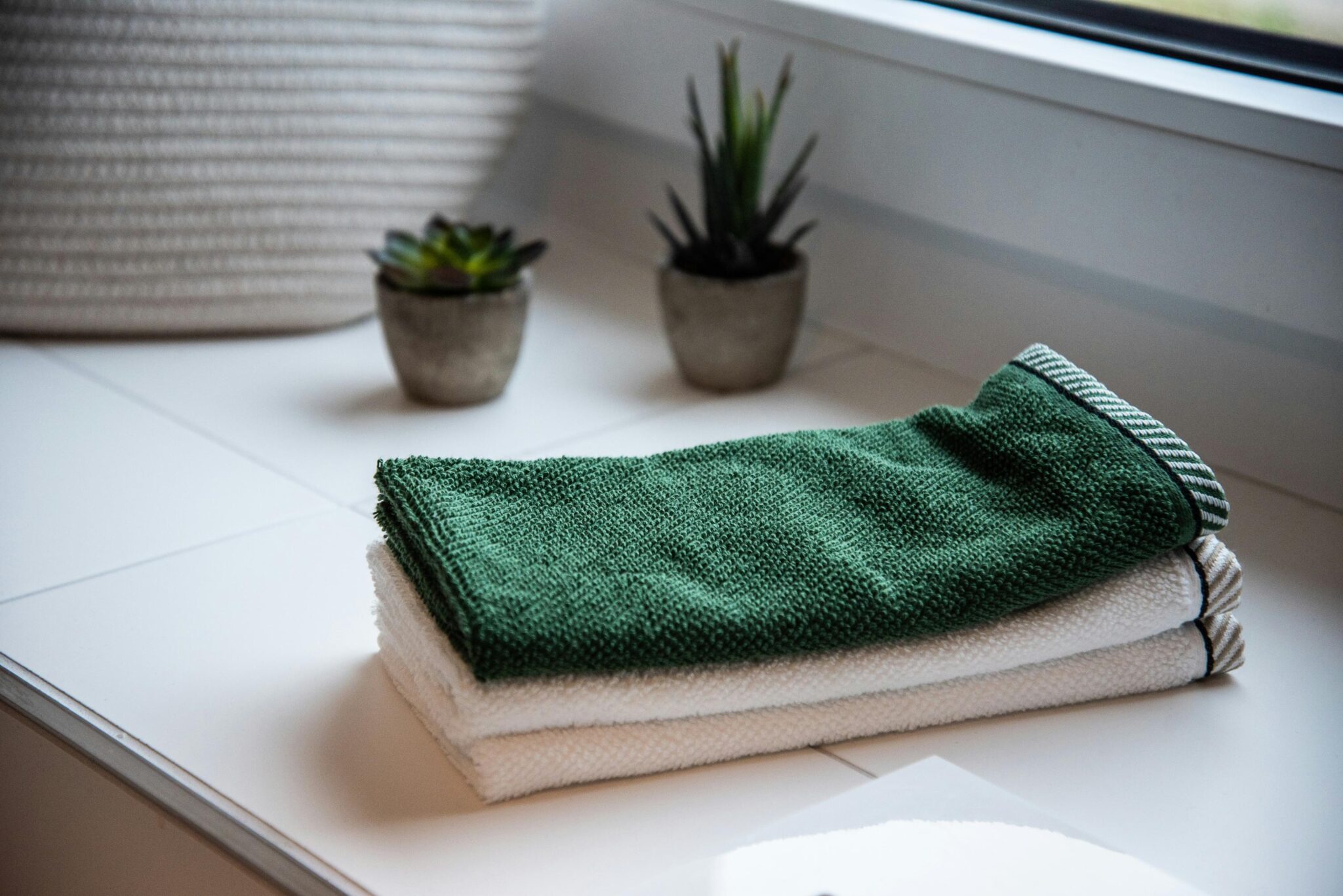
Now here’s a slightly gross one. Studies suggest that one in three people only wash their towels once a month. The problem? Damp towels left hanging in warm bathrooms are a paradise for bacteria and mould.
Dr. Patel warns:
“Even if visible mould is not present, dampness alone can increase the risk of health problems. Excessive moisture can promote the growth of microorganisms such as mould and other fungi, certain species of house dust mites, bacteria or viruses.
“Most people come into contact with the substances produced by damp and mould by breathing them in. This means they predominantly affect the airways and lungs. Damp and mould can cause disease and ill health in anyone, but people with underlying health conditions and weakened immune systems are at greater risk of ill-health from damp and mould.”
The advice? Wash your towels every three to five uses (or at least weekly) and swap out hand towels every two to three days. I’d also ensure you leave your bathroome extractor fan on for at least 30 minutes after a shower or bath, and keep the room ventilated by opening the window. This will help your towel to dry faster.
It’s a bit unsettling to know how much bacteria we’re sharing our homes with, but the good news is these little hotspots are easy to tackle with some simple changes.
A fresh sponge, a quick clean of your toothbrush holder, a daily bottle wash, and more frequent towel changes can all go a long way to keeping your home fresher and your family healthier.


