
We don’t actually have a BBQ, but we’re in the middle of trying to decide which type is going to be best for us.
Let me tell you, I had no idea there were so many options. Gas, charcoal, multiple burners, smokers, hob rings, the list goes on and I became a little bamboozled during my search.
So I’ve done my research into both types of BBQ (gas and charcoal) to see which is going to be the best for us, and I figured I’d share my research with you to save you the time and energy. Each one has genuinely different performance, safety, and maintenance considerations, and those differences can impact your garden’s health as much as your dinner’s quality.
- How both types of fuel work
- The pros and cons of gas and charcoal
- Safety considerations
- Environmental impact
- Which should you choose?
How each fuel type works
Charcoal: Burning and radiant heat
When you burn charcoal, you burn carbon. This can be in the form of briquettes (compressed sawdust and coal dust, usually with binding agents) or lumpwood charcoal (pieces of real hardwood that have been partially burnt in a low-oxygen environment).
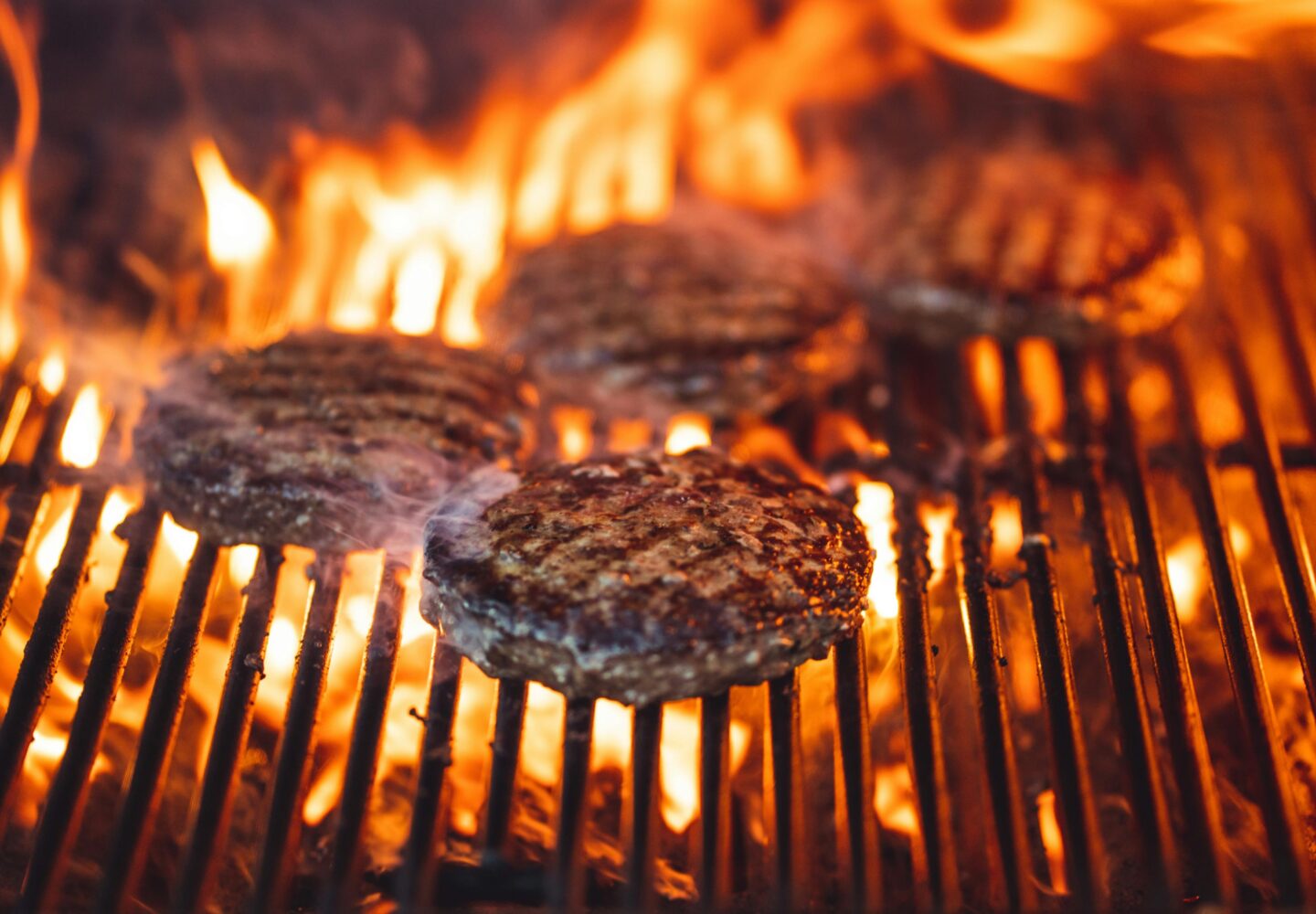
When you light charcoal, it gives off a lot of radiant heat, which means that the heat spreads out from the glowing coals in all directions, even directly up into your food.
This radiant heat, along with the volatile compounds that are released when fat drips onto hot coals and then vaporises back onto the food, is what gives charcoal its famous smoky flavour.
Gas: Heat that moves through the air and through the gas itself
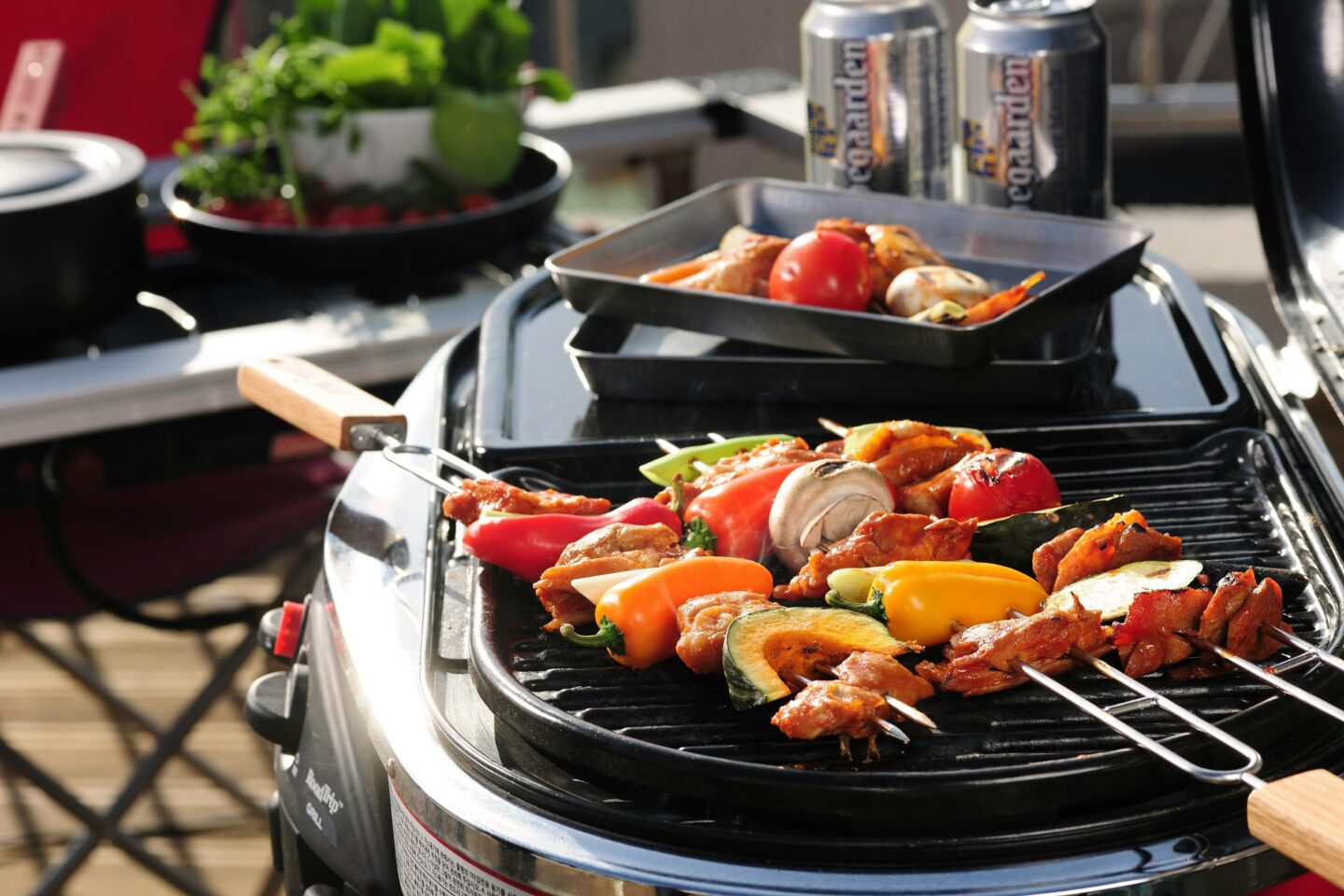
Gas grills, which usually run on propane or butane from a pressurised cylinder, cook food mostly by convection (hot air moving around the grill) and conduction (the grates themselves). Most gas grills have metal burner bars or lava rocks between the burners and the grates to spread the heat more evenly and turn some of the dripping fats into vapour, which gives the food a flavour similar to charcoal.
The burning is clean and effective, making mostly carbon dioxide and water vapour, with very little smoke or other particles.
Pros and cons of charcoal and gas
The benefits of BBQing with charcoal
Best maximum heat
Charcoal has one big performance advantage over other fuels: it can reach higher maximum temperatures. A well-established bed of lumpwood charcoal can easily reach temperatures of 350°C to 400°C, which is much hotter than most gas BBQs, which usually only get up to 250°C to 300°C.
For a better Maillard reaction, which is a chemical reaction between amino acids and reducing sugars that makes the steak’s crust brown and deeply savoury, you need this extreme heat. Gas grills can make a decent sear, but they can’t match the intensity of charcoal. Charcoal is clearly better if you want a steakhouse-quality char.
Real smoky taste
Charcoal really does taste different than gas, and not just in your head. When fat and juices drip onto hot coals, they catch fire and turn into flavour compounds that rise back up onto the food. This doesn’t happen as much with gas. Lumpwood charcoal made from certain hardwoods, like oak, beech, and hickory, can add subtle flavours that people work on for years to get just right. Adding wood chips or chunks to a charcoal grill can also make it more interesting.
Portability
One big benefit of charcoal is that it can be used as a portable fuel. A charcoal kettle grill is the best choice for camping, going to the beach or having a picnic because you don’t have to carry around a heavy gas cylinder. You can get an impressive result almost anywhere with a small disposable tray or a compact kettle, which no gas grill can do.
Less money up front
You can find entry-level Weber-style charcoal kettle grills for between £50 and £100, which makes them easy to get for people who are new to cooking outside. A good mid-range charcoal grill usually costs less than a similar gas grill.
The cons of BBQing with charcoal
Slow to start and heat that isn’t always the same
The biggest problem with charcoal is that it takes a long time. You usually have to wait 20 to 30 minutes for the coals to ash over and be ready to cook on, even with a chimney starter (a cylindrical metal tool that speeds up lighting a lot). A common mistake for beginners is to try to cook on coals that are still burning. This can cause the outside to burn and the inside to stay raw.
You also need to practise controlling the heat. Managing the temperature of charcoal is different from turning a gas dial because it requires moving coals, opening vents or adding new ones. These are skills that take time to learn.
Smoke and particulate emissions
When you light charcoal and burn it for the first time, it gives off a lot more smoke and particles than gas. This isn’t usually a problem in a big garden, but it can be a real problem in a smaller courtyard or Victorian terraced garden where neighbours are close by. It’s also important to remember that many local councils have rules about smoke that can be annoying.
Cleaning up ash after cooking
When the cooking is done and the coals have cooled down completely, which can take a few hours, you have a container full of grey ash that you need to get rid of safely. This is a really dirty job. Ash must be completely cold before being thrown away in a metal bin (never plastic). It shouldn’t be dumped directly onto garden beds in large amounts, as the alkalinity can change the pH of the soil over time.
Risk to the garden and lawn
Charcoal kettles are especially dangerous for lawns and decks. Embers that fall can burn grass right away, and the heat that comes from the bottom of a kettle, especially a light one that is placed directly on the grass, can turn a patch of grass yellow and kill it. This is an important thing to think about if you’re particular about maintaining a well-kept lawn through consistent lawn care. Always put a charcoal grill on a surface that won’t catch fire, use a grill mat, or make sure the legs are long enough to keep it off the ground.
The benefits of BBQing with gas
Exact temperature control
The gas grill is hard to beat for people who care about accuracy. You can keep the temperature at a steady 180°C for a slow-roasted chicken by turning a dial, or you can turn all the burners up to high for sausages and burgers. With a multi-burner gas grill, you can make different heat zones, like direct high heat on one side and indirect lower heat on the other. This lets you use a lot more cooking methods, like smoking and roasting (with a lid and wood chips).
Start up right away
Gas lights up almost right away. It usually takes less than 10 minutes to go from turning on the gas to being ready to cook, which makes it really useful for last-minute weeknight barbecues or when you’re short on time. No waiting for the ash to settle, no lighting, and no guessing.
Less pollution and easier upkeep
Gas burns cleanly, leaving behind almost no ash or soot. The main job after cooking is to clean the grates by burning off any leftover food and brushing them down. This only takes a few minutes. You don’t have to clean up any ash, and the fuel is cleaner overall, which means the grill stays in better shape for longer with less work.
Better for your lawn and garden
Gas grills are better for your garden in a clear way. They are on wheeled carts that are high enough off the ground that they don’t drop embers, and they give off much less heat down than a charcoal kettle. There is no chance of burning patches into your lawn, and the lack of ash means that nothing will blow onto flower beds or change the chemistry of the soil. This is a useful benefit for anyone who has put a lot of work into their outdoor space.
Results that are always the same
Gas grills tend to give more consistent results, especially for cooks who aren’t very experienced, because you can control and repeat the heat. There is no difference between batches, no matter how well the coals caught or how the wind is affecting the burn. What worked last Saturday will work again this Saturday.
The cons of BBQing with gas
Less peak heat and a different taste
Gas is easy to use, but it has real limits. It’s usually cooler than a roaring bed of lumpwood charcoal, so you might not get the same depth of Maillard reaction on a thick steak. The flavour is also different because there is no burning carbonaceous material. It is cleaner, but it doesn’t have the smoky depth that charcoal naturally gives off. Wood chip boxes can help a little, but people who are picky will notice the difference.
How complicated the mechanics are and how much it costs to run
A gas BBQ has more parts that can break or need to be replaced over time, such as burners, igniters, hoses, regulators, and multiple valves. Igniter mechanisms are especially likely to break, which means you often have to use a lighter. A good gas BBQ also usually costs a lot more up front than a charcoal grill that works just as well.
It’s also important to think about how much it costs to run gas. A standard propane or butane cylinder costs between £25 and £45, depending on the size and the seller. If you grill a lot, you might go through several in a season.
Things to think about for safety
Safety of charcoal
Carbon monoxide is the main safety issue with charcoal. When a charcoal grill burns, it releases a lot of CO, which is odourless and can kill you in small spaces. Do not use a charcoal grill inside, in a tent, garage, or conservatory, even after the flames have gone out. The coals will keep making CO for hours. Every year, this causes a lot of deaths and serious injuries.
There is also a real risk of fire from embers. Set up a clear boundary around the grill, keep kids and pets away, and never leave a lit charcoal grill alone in a garden with dry grass or near fencing or wooden decking.
Safety with gas
The two biggest risks with gas are leaks and broken connections. Check that the hose connections are tight and not broken before each use. A quick leak test (putting soapy water on connections and looking for bubbles when the gas is turned on but before it is lit) takes only thirty seconds and can stop a major problem.
To keep gas from building up inside and causing a flashback when you light it, always light a gas grill with the lid open. If the igniter doesn’t work, turn off the gas, wait a few minutes, and try again. Never keep trying to light it while gas is still in the air.
All gas appliances used outside in the UK must meet BS EN 521 standards. Look for the CE or UKCA mark when you buy a gas grill.
How to store gas cylinders safely
Gas cylinders should be kept upright in a cool, well-ventilated area that is far away from heat sources and places where they could catch fire. For families with limited shed space, this is a big logistical issue. If you don’t have enough room, you should never keep cylinders inside, in a basement, or near the boiler. You should check hoses and regulators every year for cracks or other signs of wear and tear and replace them as needed.
Impact on the environment
The picture is complicated for people who are concerned about their carbon footprint. Making charcoal takes a lot of energy, and most of the charcoal sold in the UK comes from Nigeria, Paraguay, and Namibia, which often causes a lot of deforestation and pollution from transportation. If you care about the environment, look for British or European lumpwood charcoal that is FSC-certified and comes from a sustainable source. It costs more, but it’s a lot better.
Gas (propane and butane) is a fossil fuel, but it burns cleanly and efficiently. Gas produces less particulate matter and a lower CO2 equivalent per cooking session than most charcoal, especially imported briquettes, when it comes to direct emissions from the grill itself.
There is an environmental cost to both choices. If being environmentally friendly is important to you, look for certified sustainable charcoal or think about getting a gas grill that runs on bioLPG, a renewable propane alternative that some UK suppliers now offer.
Which one is right for you?
There is no one right answer. Honestly, the best choice depends on how you cook, how your garden is set up, and what is most important to you. This is a quick guide:
Pick charcoal if:
- You cook steaks a lot and want the best possible sear
- Your main goal is to have a smoky, complex flavour
- You take your BBQ with you to the beach, the park, or camping
- You like the process and ritual of building a fire
- You’re just starting out, so you need to think about your budget.
Pick gas if:
- You grill a lot and want it to be easy to use and start up quickly
- You care about being able to control the temperature exactly
- You have a small garden or neighbours who are sensitive to smoke
- Taking care of your lawn, deck, or patio is very important
- You want results that are always the same and can be repeated with less experience
- You often cook for big groups and need equipment that works every time.
Think about both if:
If you really want to cook outside and want the best of both worlds, a gas BBQ for weeknight meals and a charcoal kettle for weekend projects and steaks is a very common setup for people who love to cook outside.

Sarah is the creator and founder of Dream of Home, a website that began during Sarah’s first home renovation project. Since then, the site has grown and Sarah produces content around all things home, including home decor, DIY projects, renovation tips, inspiration and more. In her spare time, she loves to read and garden.
