
18 plants that are safe for your cats and dogs
I’ve often found myself Googling plants to determine whether they’re pet-safe or not. So I decided to write an ultimate guide with all the answers in one place.
I’ve lost count of how many times I’ve turned to Google to ask ‘Is Swiss Cheese plant safe for cats?’, ‘Is a Boston Fern one of the pet-safe plants?’, etc.
I always check what will be okay to keep in the home to make sure nothing happens to our cats, Lily and Rupert. But I don’t think it’s something people think about. They buy an aloe vera and then don’t understand what’s wrong when their pet starts drooling and vomiting (hint, if this happens take them to a vet!)
I’ve had plants in the house in the past that aren’t safe for cats and dogs. It wasn’t until I did my research that I realised how many common house plants are dangerous for our little ones.
I thought it was about time I did a post on plants that are safe for cats and dogs that you CAN put in your home to keep your feline/canine friends happy.
Our cat got seriously ill from eating a (still unidentified) plant. I think she might have gone after the trailing ivy in the bathroom. Ivy is a big no no for cats. She wasn’t eating, lost 10% of her body weight in a week and needed £350 worth of injections and antibiotics to get her liver function back to normal.
There are lots of plants that are ‘fashionable’ and that are beneficial to humans but can kill or seriously injure pets if they get their little paws on them. So I hope my ultimate guide to plants that are safe for your cats and dogs can help some pet owners out there. I’ve included a huge 18 plants below.
You can find a comprehensive list of the most toxic plants for cats and dogs at the bottom of the post.
Plants safe for cats and dogs
1. African Violets
African Violets are native to Africa (I think you could have figured that one out on your own).

This house plant can be a little bit fussy as they’re used to a tropical African climate. They like warmth, humidity and indirect sunlight, so a cosy bathroom might be a good place for them.
They’ll bring some gorgeous summer brightness to your home as they come in a range of purple hues.
2. Air Plants
All air plants are safe for your pets. Which is good because they’re beautiful!

They don’t need soil to grow so they look wonderful in glass pots or terrariums like this one from John Lewis. They’ll need misting rather than watering, so find a spray bottle that you can fill with water. Mist them regularly as they like humidity.
3. Areca Palm
The Areca palm is also known as a Parlour Palm. I’ve just treated myself to one of these beauties!

It’s one of the most popular house plants in the world. It’s a slow grower, but can reach up to 6 feet as a house plant. They don’t need lots of light and prefer lower temperatures (around 18-21 degrees).
Don’t overwater this plant. If anything keep it on the slightly drier side, especially if you’re a keen overwater-er! This is a plant that will purify the air in your home, making it a healthier place for you and your pets.
4. Aspidistra
Aspidistras are possibly one of my favourite pet-safe plants on this list.
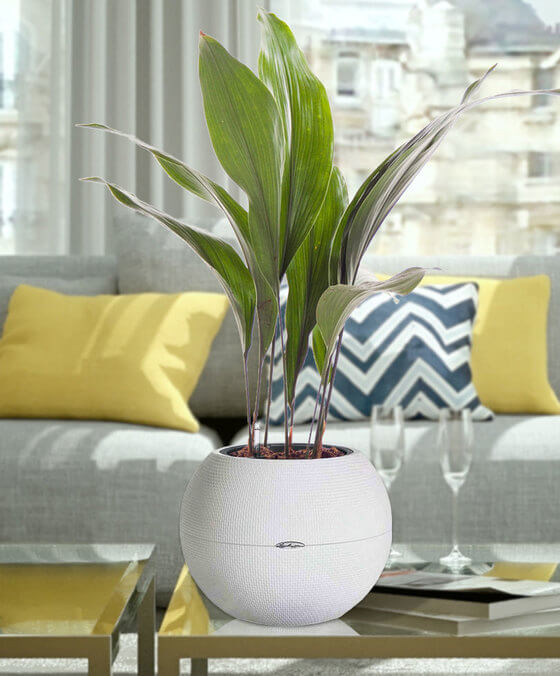
Aspidistras are shade plants (yay!). They love low light and can last a long time without water. Finally a plant that I shouldn’t be able to easily kill.
They require very little attention (though talking to your plants might encourage them to grow). They just need a touch of water when the soil feels dry.
Give it some additional plant nutrition around every three weeks in spring and summer. It’ll love you for it.
5. Baby Tears
For those of you looking for some more unusual house plants, baby tears could be for you. They have very small leaves but their large surface area means they completely cover the soil in the pot, ideal for those of you who have pets that like to dig in the visible soil and leave a big mess for you to clean up.
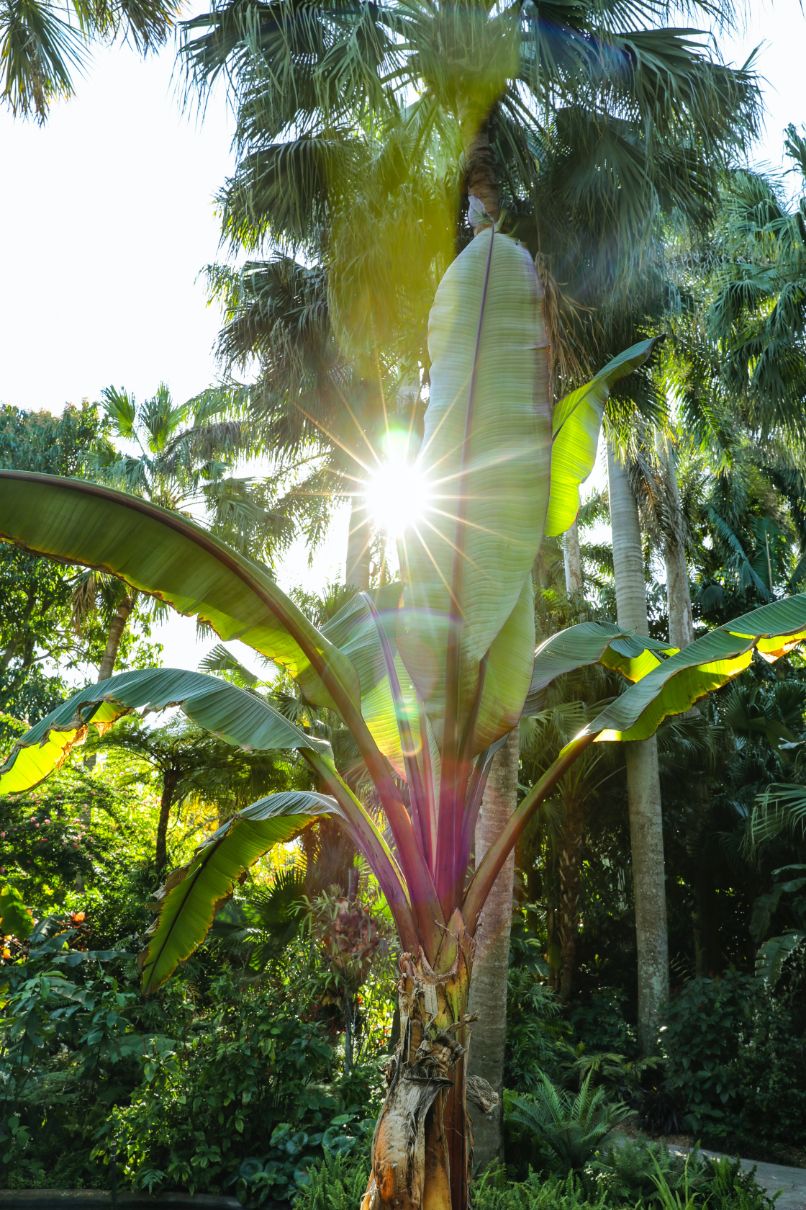
6. Banana Tree
Love fig plants? Unfortunately, most figs, like the weeping fig and the fiddle leaf fig, are poisonous. But one that looks like a fig is the banana tree, and this is totally safe for your pets.
7. Boston Fern
Boston Ferns are so easy to look after and are completely safe for your pets to eat. There are loads of types of ferns out there, and some are poisonous to cats, so make sure that what you buy is truly a Boston Fern. These plants are air humidifiers, and will really help if you suffer with asthma.
They need lots of water, so might be better situated in a bathroom. You should also keep them out of direct sunlight. If you follow these simple rules, your Boston Fern will thrive.

8. Catnip
If you’re brave to plant some of this around your home, your cat will love you forever.
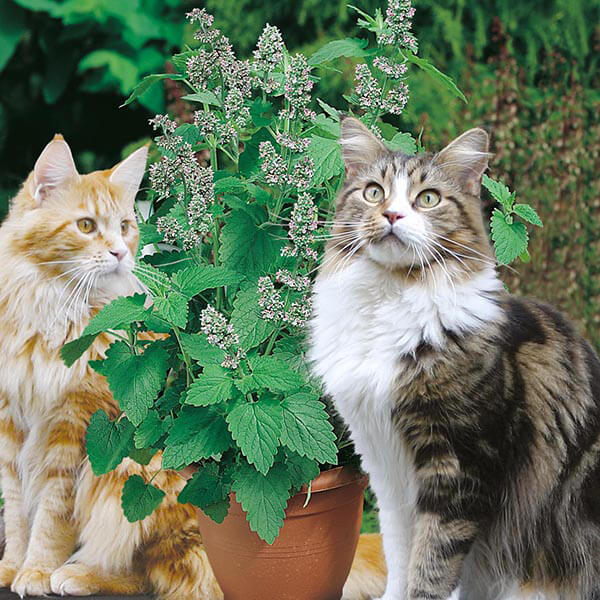
It’s absolutely safe for them to eat it, but you should supervise your cats around this plant. They have a tendency to roll on catnip, and rolling on your plant will result in an upended plant pot and an explosion of soil.
You should keep the plant moist and in a cool room out of direct sunlight.
The leaves can be dried out and put inside your cat’s toys for extra excitable playtime, making it a wonderfully pet-friendly plant that’s versatile.
9. Christmas Cactus
Important: Not to be confused with Amaryllis which is poisonous to pets.
This colourful plant gets it name because its beautiful flowers come out over the Christmas period. And even though it’s called a cactus, it’s not a sun lover because it originates from shady woodlands.
It still likes a bright spot in the house out of the sun, and likes a humid atmosphere too so a bathroom might be ideal.
If you want it to flower each Christmas, then there are a few rules you’ll need to follow.
It needs two resting periods. This means after it has flowered, you should reduce the watering and move it to a much cooler room between 12-15 degrees celsius. Then between April and September, begin to increase its water again, feed it with a liquid houseplant fertiliser and move it back to a warmer room.
The flower buds should begin to form again in September. This is its second resting phase so it should again be moved to a lower temperature with reduced watering.
The flower buds will develop again and so move the plant back to a warmer room with increased watering, and this time leave the flowers to come out beautifully in time for the family at Christmas!
10. Gloxinia
This plant is native to Brazil but has become quite popular in the UK. They love lots of moisture making them ideal for the bathroom, but the best thing is they won’t harm your cat, dog or other animal living in your home. These are popular as gifts, so if you know someone with a pet, this could be the perfect house plant present!
11. Lipstick Plant
We’ve seen hanging plants everywhere as a major trend this year. But I don’t think I’ve ever come across the gorgeous, unusual lipstick plant.
It’s for lovers of colourful flowers as well as green foliage. It gets its name from the red tubular flowers that bloom from it that have been compared to lipstick tubes.
Also known as Blushing Rose, the lipstick plant likes indirect sunlight and plenty of water. Don’t let it dry out and give it additional nutrition, and it’ll reward you with its beautiful flowers year after year.
12. Money Plant
The Money Plant is mostly safe for pets, however it can be dangerous if eaten in large amounts. A nibble here and there will only cause minor tummy upset.
I love the round leaves of a money plant. They’re so unusual and unlike anything I’ve really seen before. This will make a handsome addition to any shelf, windowsill or desk.
The money plant is quite low maintenance and easy to grow. Just water it moderately in the warmer months, allowing the soil to dry before watering again. Keep it out of bright sunlight.
13. Orchid
Most orchids are safe for cats and dogs, but there are around 25,000 varieties of this plant, and so not all are safe. But don’t be afraid to have them in your home, as they are truly beautiful and likely won’t affect your pets.

14. Ponytail Palm
Named because of its shape, the ponytail palm is one your pets, particularly cats, will have fun with because of the way its leaves hang over. To them, it looks like a toy.
But you don’t have to worry if your cat accidentally eats a bit of this palm because it’s completely safe for cats and dogs.
> 
15. Prayer Plant (Calathea)

I’d never heard of a prayer plant until I started doing my research for this post. It grabs your attention with those beautiful, unique leaves that blend red and green. It’s a plant that does the speaking for itself, so a basic white pot is all it needs.
This plant will do well with medium lighting (not too direct as the leaves will lose some of their beautiful colour) and keep the soil moist but not saturated.
Be careful though, as some calatheas can be posionous. The Prayer and Medallion versions are fine.
16. Rattlesnake Plant (Calathea)
The rattlesnake plant is another form of calathea, identifiable by the unusual shape of its leaves.

Like the prayer plant, its leaves are a gorgeous green on top and a purple underneath. It’s happy in low light and without much water, making it great for those of you who struggle to keep plants alive.
17. Spider Plant
A spider plant makes for a perfect hanging plant or as an accessory on an end table. It’s one of the easiest pet-safe plants to look after as long as you let it dry out completely between watering.
It’ll need plenty of natural light so it’s best located in a bright room or near a windowsill. They’re wonderful for purifying the air in our homes, turning harmful gases back into oxygen!
These plants are so much fun, so have an experiment with some funky pots you can place them in.
18. Venus Flytrap
For a plant that eats flies, it surprisingly is safe for your pets. It’s also low maintenance, meaning it’s really easy to look after, but it does need at least 4 hours of sunlight.
They’re often best placed in a porch or somewhere where flies tend to build up to keep your home clean!

Most toxic plants for cats and dogs
Now that I’ve shared some of the safest plants for your cats and dogs, I wanted to share some of the most toxic ones so that you can avoid them.

Data comes from https://www.clearitwaste.co.uk/furniture-disposal/
The graphic shows that highly toxic plants include a peace lily, pathos, caladium, sago palm and calla lily. It also shows that moderately toxic plants include English ivy, the snake plant, dieffenbachia, philodendron and arrowhead.
If you want more information, there is a definitive list of toxic plants by the American Society for the Prevention of Cruelty to Animals here.


