
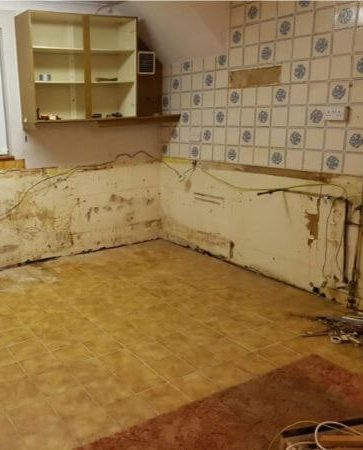
How to plan a home renovation (start to finish)
Having undertaken one home renovation so far in my life, there’s a lot that I learnt, a lot I would have done differently, and a lot I’d do again.

But the key to a successful home renovation is in the planning. And planning is something I would do much more second time around. It was our first home, we were excited, we wanted to crack on with everything all at once. But that is how mistakes are made and gradually, you wish you’d done things differently.
THAT is why I’m here today to talk about how to plan a home renovation.
Home renovations can be undertaken for a wide variety of reasons. You may find that your home no longer meets your needs. Moving might be too much of a hassle and you love your home, so renovation is the best way to go.
Renovations can mean changing layouts in big or small ways, as well as adding extensions and things like that. Before any work can begin, here are five steps to help you visualise your renovation plans.
1. Define your goals
Renovating your home can be tricky, particularly when you have multiple projects to focus on at once. By defining your goals from the start, you can keep them in mind with every decision you make.

Whether you’re envisioning a spacious kitchen, a cosy bedroom, or a multifunctional living area, deciding what you want to get out the rooms is key. You should aim to:
- Define your objectives clearly, focusing on both functionality and aesthetics.
- Identify the specific areas that need renovation and prioritise them based on your family’s needs and lifestyle.
In doing this, every decision you make will be aligned with your vision.
2. Set a realistic budget
Budget is something we didn’t even think about first time around, but it’s definitely not because we didn’t have one. Everything we did was on a budget, but we didn’t really know what that budget was, if that makes sense?
We knew that we had to finish certain aspects of the house before we could move in. This meant that we did everything as cheaply as possible, whilst buying good quality items. Our kitchen was second hand on eBay and our bathroom was bought in a 60% off sale.
I would not advise that everyone wing it like we did. I’d suggest coming up with a reasonable maximum budget. Keep a spreadsheet to track what you’re buying and how much it costs.

You will need to factor in costs for materials, labour, and any permits you need, plus an extra cushion for any unexpected issues. I’d suggest being overly cautious and add 10% to your total, just in case.
One thing to consider is purchasing insurance to protect you from any issues. For example, if you are having an extension added, you should get top-quality extension insurance. Start getting quotes early on from builders, electricians and plumbers if you need them. This will help you to factor this cost into your plan.
3. Research and inspiration
Home inspiration is everywhere, so finding it can be easy. Dive into home interior magazines, explore online platforms like Pinterest and Houzz, and visit showrooms to gather ideas. Create digital mood boards and collect images, colours and textures that resonate with your vision.
Visualisation is key; it helps you conceptualise the end result and prevents impulsive spending on unnecessary items.
To do this, you can use the power of technology.
Virtual reality tools and 3D design softwares allow you to virtually walk through your renovated space before it even exists. These tools enhance your understanding of spatial relationships and aesthetics, enabling informed decisions and efficient planning.
I often create moodboards for a space, to get my ideas together about colours and styles. Below are just a couple of the moodboards I’ve created:


4. Draw up a plan
Generally, there are two types of plans: a basic one that’s just for your use, to help you decide where to put things and a professional one drawn up by an architect/structural engineer to make sure that the building will be safe.
Creating a basic plan for you
You don’t need to be an architect or an artist to create a basic plan of how you want your room laid out, where you want fittings to go, where the windows and doors are/will be going and where you want plug sockets.
Below is the drawing Mr Dream of Home made when we wanted to measure the garden before deciding what layout we wanted. It’s not a work of art but it gets the job done.

Have a think about what you want the space to look like and how you want it to function. The best thing you can do is ask for advice from others.
I didn’t think that our fire pit may not be able to go on the decking because of the heat it gives off. Then someone suggested we build a piece of granite into the decking to sit the fire pit on. It’s a very simple design suggestion that will make a huge difference to how the garden functions.
Sometimes, there are too many design and layout options and you can’t make a decision. This is why making plans is so good. You can figure out what will work best for you and gradually cut the options down to just one or two.
Creating a professional plan
If you’re planning a big home renovation that involves moving walls or extending, then you should definitely get an architect and/or a structural engineer to create your plans. They will make sure your building work is doable and that any big changes adhere to the relevant building codes.
You may need to apply for planning permission, and blueprints will be needed for this too.
These plans should include professional architectural drawings, floor plans and specifications for the amount of materials that will be needed.
The more detailed your plans are, the easier it will be to stick to a budget and prevent any issues with things that haven’t been planned for.
Plans will also allow you to work as a team with your family members and professionals to ensure everyone is happy and feels listened to.

5. Obtain permits and hire the right contractors
When you plan a home renovation, do. not. forget. about. planning. permission.
This can seriously slow a project down. Depending on the type of renovation you are undertaking, you may be required to get planning permission or local approvals. Your architect should be able to inform you if this is the case.
It is worth checking how long these things will take as this will impact your builders starting work.
It is required that building inspectors come and make sure everything is up to standard regularly throughout the building process.
If you’re installing a very small, single-storey extension, planning permission might not be needed. This also goes for knocking down internal walls. But bigger extensions and conservatories will need permission. It can take up to 4 months to get permission for the work, so as soon as you or the architect have drawn up your plans, apply.
The council can actually demand that you tear down what you’ve built if you go ahead with permission. So don’t be that person.
Hiring the right contractors is key too, and finding the right ones can take longer than you think. When you plan a home renovation, you may forget to think ahead to who will be doing the work. But you want a reputable, quality work force that can bring your vision to life.
You want to be able to rely on the professionals you’ve hired for the job and know that the chance of making mistakes is minimal.
Take your time to compare options. Speak to people you know and see if they know anyone. If they don’t, one of their neighbours might have just had work done who they can ask.
Unless you’re planning a DIY renovation, the contractors are the ones doing all the work, so do your research to find the right team for you.
Home renovations are hard work, time consuming and basically eat money. However, if you plan a home renovation properly and thoroughly, it can be easier, take less time and less money. If you love your current location and moving house isn’t an option for you, a home renovation is what you need.
Take advice from someone who’s done it all before, and happy renovating!




Man I’m reading this blog for long time and its so inspiring! Im starting planing my renovation now !
Thank you! Amazing and really useful article
Thank you for such an interesting blog post!!
I’m glad you liked it Adele, thanks for commenting!
Oh wow, this blog is so inspiring! very useful info. i always tend to go over budget, maybe my previous ones wasn’t realistic enough. Thanks for sharing. checkout our home renovation articles https://cadcabin.com/things-to-do-before-renovating-the-house/ thank you.